-1-1-2-126x39.png)
Manufacturing Capabilities for Precision CNC Machining, Turning, Milling and Stable Volume Supply
From drawing review and process matching to prototyping, low-volume validation and stable batch delivery, we have built a production system around real industrial part manufacturing needs across 3-axis machining, 5-axis machining, turning, milling, inspection and coordinated post-processing.
Our goal is not only to complete one machining order, but to help you build a more stable manufacturing solution across precision, lead time, cost and continuous purchasing.
Our objective is not simply to finish a one-time machining task, but to support customers with a more stable production route across tolerance control, delivery planning, cost balance and long-term repeat purchasing.
Manufacturing Capability Overview
We can match a more suitable manufacturing route based on part geometry, dimensional tolerance, material properties, surface requirements and order volume.
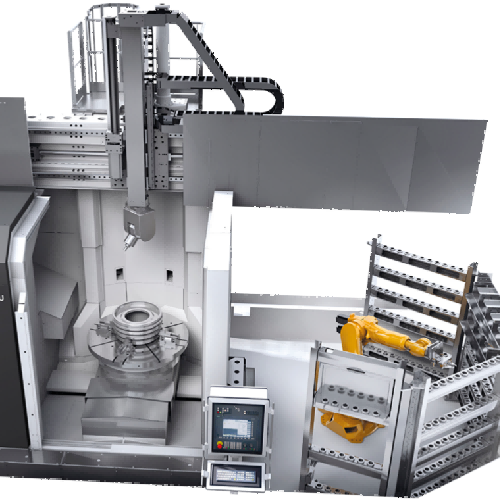
For standard structural parts and medium-complexity components, 3-axis machining can be used to better control cost and lead time. For parts with multiple faces, curved surfaces, deep cavities, undercuts and fixture-sensitive geometry, 5-axis machining can reduce operations and cumulative error.
We also support coordinated turning and milling for shafts, sleeves, discs, housings, plates and non-standard assembly structures.
By arranging process routing, fixturing methods, inspection checkpoints and post-processing coordination in a practical way, we help customers improve manufacturing consistency and project execution efficiency.
3-Axis CNC Machining Capability
3-axis CNC machining is well suited to standard structural parts and medium-complexity industrial components, and it is often the preferred route when projects need a better balance between cost control and delivery time.
For parts with many standard features such as flat surfaces, hole positions, outer profiles and slots, 3-axis machining can improve production efficiency while maintaining dimensional requirements and controlling cost.
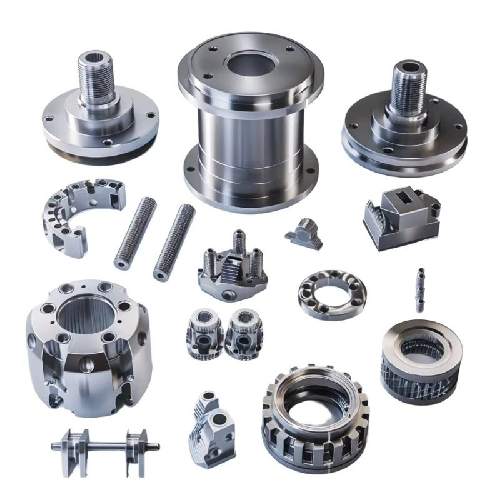
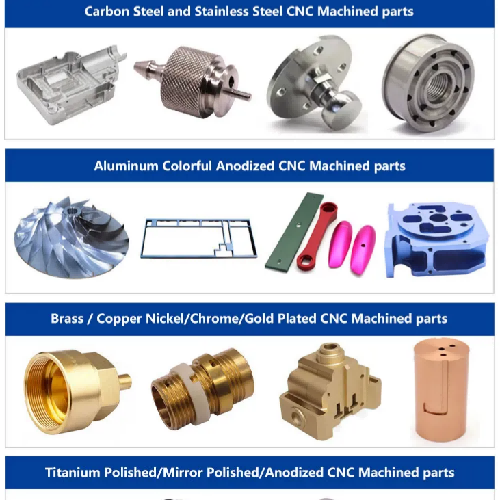
This process is commonly used for brackets, installation plates, flanges, housing exterior parts, connectors, fixture base plates and conventional equipment structural components.
The process focus usually lies in unified fixturing datums, reasonable toolpath planning and rechecking of critical dimensions to improve batch consistency and assembly stability.
Suitable Part Types
3-Axis Machining Features
Delivery Reference
5-Axis CNC Machining Capability
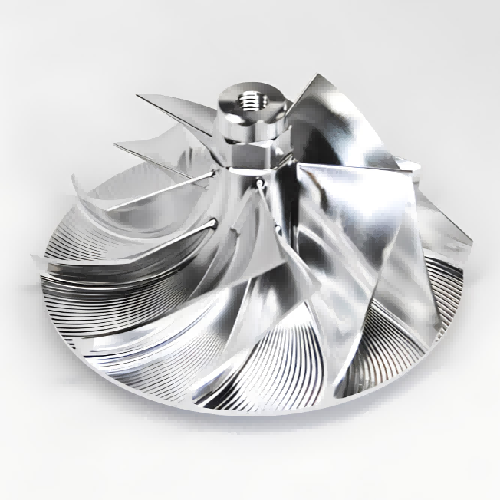
5-axis CNC machining is suitable for complex curved surfaces, multi-side structures, deep cavities, angled positioning features and parts that are difficult to re-align accurately after re-clamping.
For projects with complex geometry and high assembly requirements, 5-axis machining can complete more features in fewer set-ups, which reduces cumulative error and improves part consistency.
This not only makes it more suitable for high-precision complex parts, but also helps reduce rework risk and improve delivery stability.
For mold components, jigs and fixtures, complex automation parts, aerospace structural components and high-demand industrial modules, 5-axis machining is often the more suitable manufacturing route.
Suitable Part Types
5-Axis Machining Advantages
Application Scenarios
Delivery Reference
RFQ and Process Recommendation
If you already have drawings, the best next step is to upload them directly so we can evaluate part structure, material, quantity and timing, then recommend whether 3-axis CNC machining, 5-axis CNC machining, turning, milling or a combined process route is more suitable.
Supported formats: STEP, STP, IGS, X_T, DWG, PDF, JPG and PNG.
Precision CNC machining, 3-axis CNC machining, 5-axis CNC machining, CNC turning, CNC milling, prototype machining, low-volume production, batch production, manufacturing capabilities, upload drawings for quote.
Custom Precision Parts Manufacturing for Industrial Sectors That Need Stable Dimensions, Consistent Processing and Fast Response
We provide custom part manufacturing services for industrial customers that require dimensional stability, machining consistency and responsive delivery support.
We match suitable precision levels and inspection plans according to industry working conditions, part structure and quality expectations.
We support automation equipment, semiconductor equipment, medical devices, aerospace and general industrial machinery projects where process consistency, inspection discipline and project communication directly affect purchasing results.
Industries Served
We serve industrial customers that need reliable dimensional stability, repeatable processing quality and responsive delivery for custom precision parts.
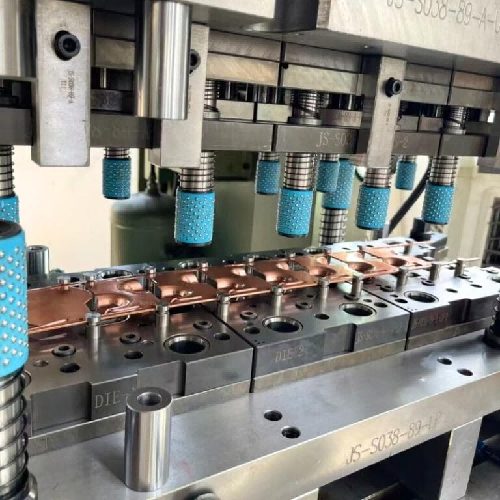
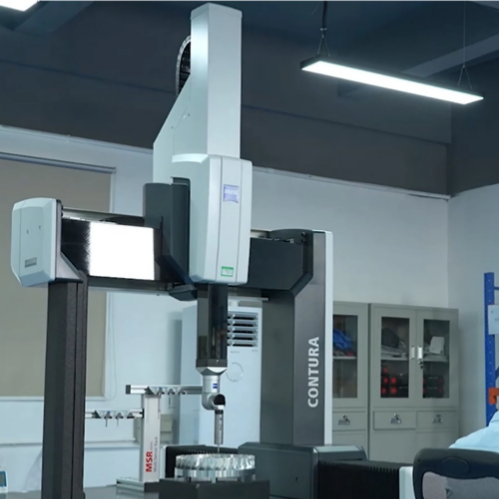
Quality Control and Inspection Capability
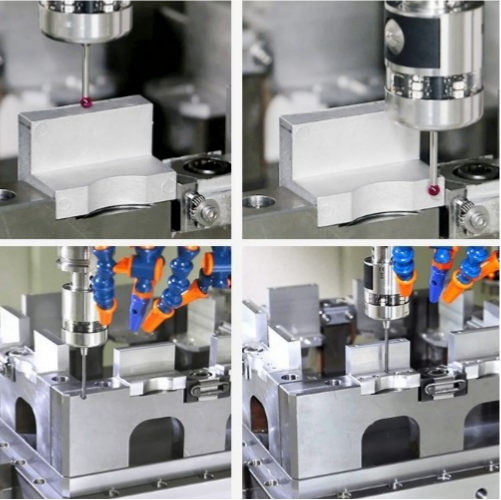
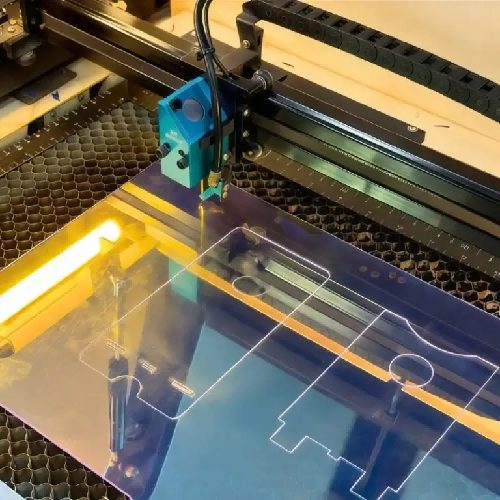
High-quality delivery is not only about final inspection. It starts from incoming material confirmation and continues through the entire manufacturing process.
We define inspection plans for critical dimensions, key materials and important assembly locations according to drawing requirements and project risk.
Manufacturing Organization from Prototype to Batch
We support continuous manufacturing needs from prototype development and low-volume validation to stable batch delivery, making the model more suitable for projects with long-term purchasing and scaling plans.

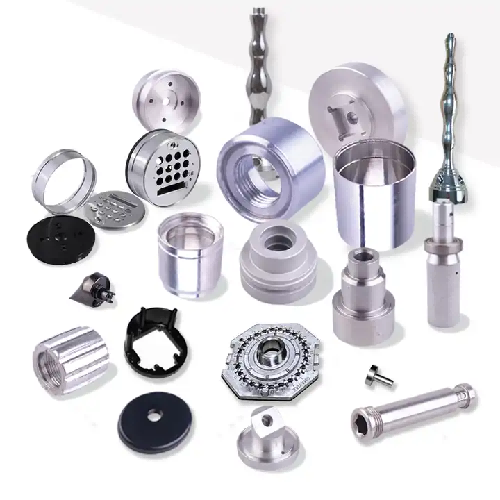
Engineering Review and Manufacturing Feasibility Support
Regular projects can usually receive engineering review and quotation feedback within 24 hours.
Before project launch, we evaluate part structure, machining route, inspection requirements, quantity and lead time to identify feasibility and potential risks earlier in the process.
Supported Drawing Formats and Collaboration
We support a range of commonly used drawing and file formats so overseas customers can submit project data quickly and move into the review process with less delay.
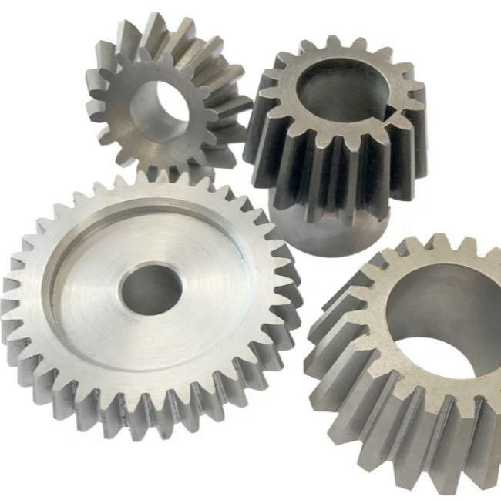
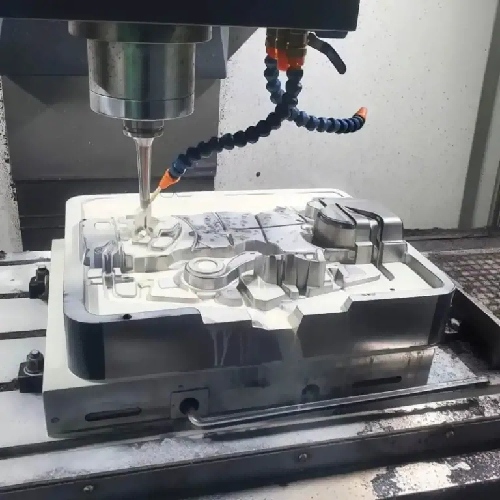
Why Purchasing and Engineering Teams Choose Us
We do not only offer CNC machining services. We focus on coordinated support from drawing review and process matching to material suggestions, quality control and delivery planning.
Typical Application Scenarios
Compared with broad statements about serving multiple industries, more specific part scenarios and manufacturing difficulties help purchasing and engineering teams judge project fit more clearly.
What Happens After You Upload Drawings?
To help international purchasing and engineering teams move projects forward more efficiently, it is recommended to include material, quantity, tolerance, surface finish and target lead time when you submit drawings.
It is recommended to state part function, critical tolerances, target material, quantity range, surface finish, inspection requirements and destination country when submitting files.
Industries served, quality control, inspection capability, engineering review, manufacturing feasibility, custom precision parts, CNC machining support, prototype to batch production, drawing formats, upload drawings for quote.
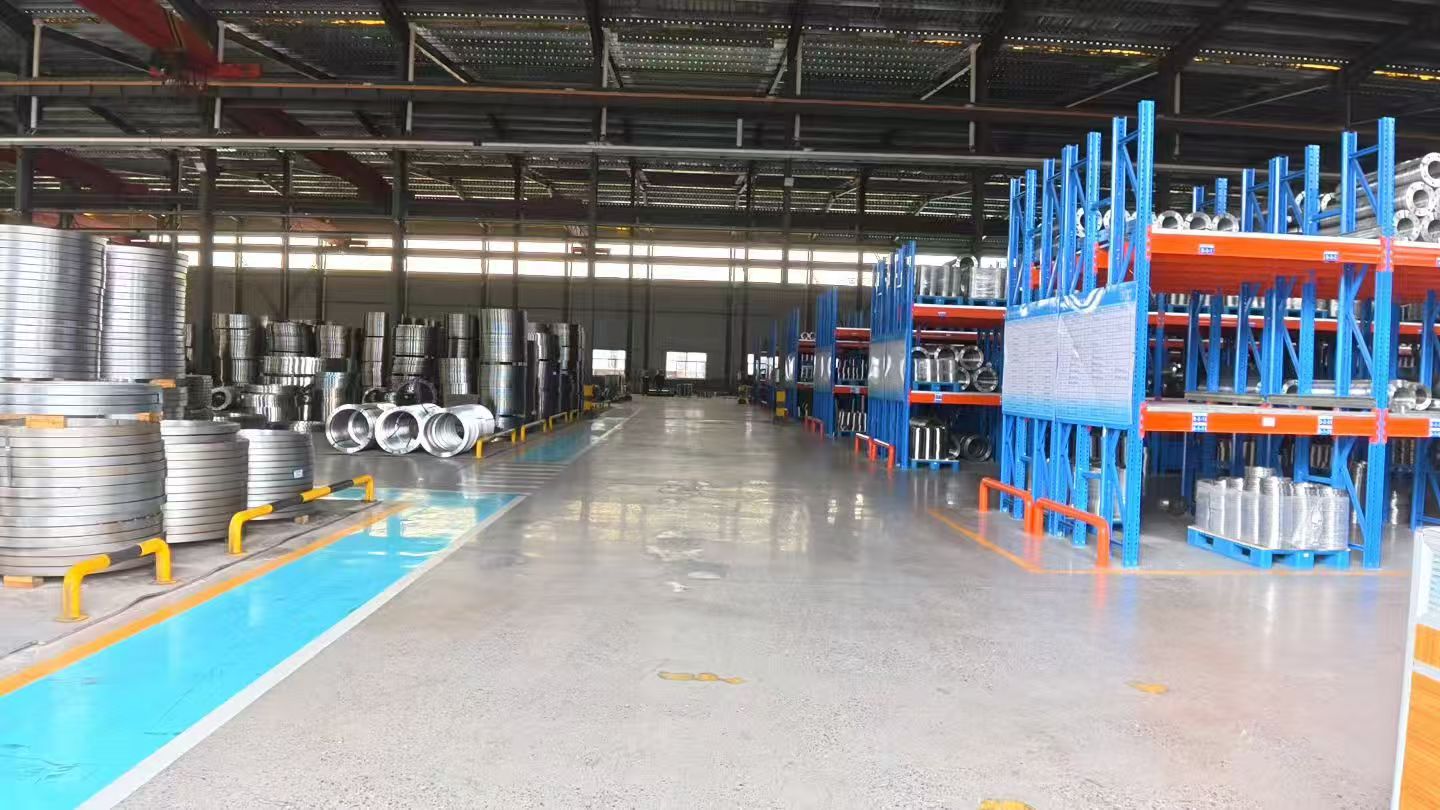
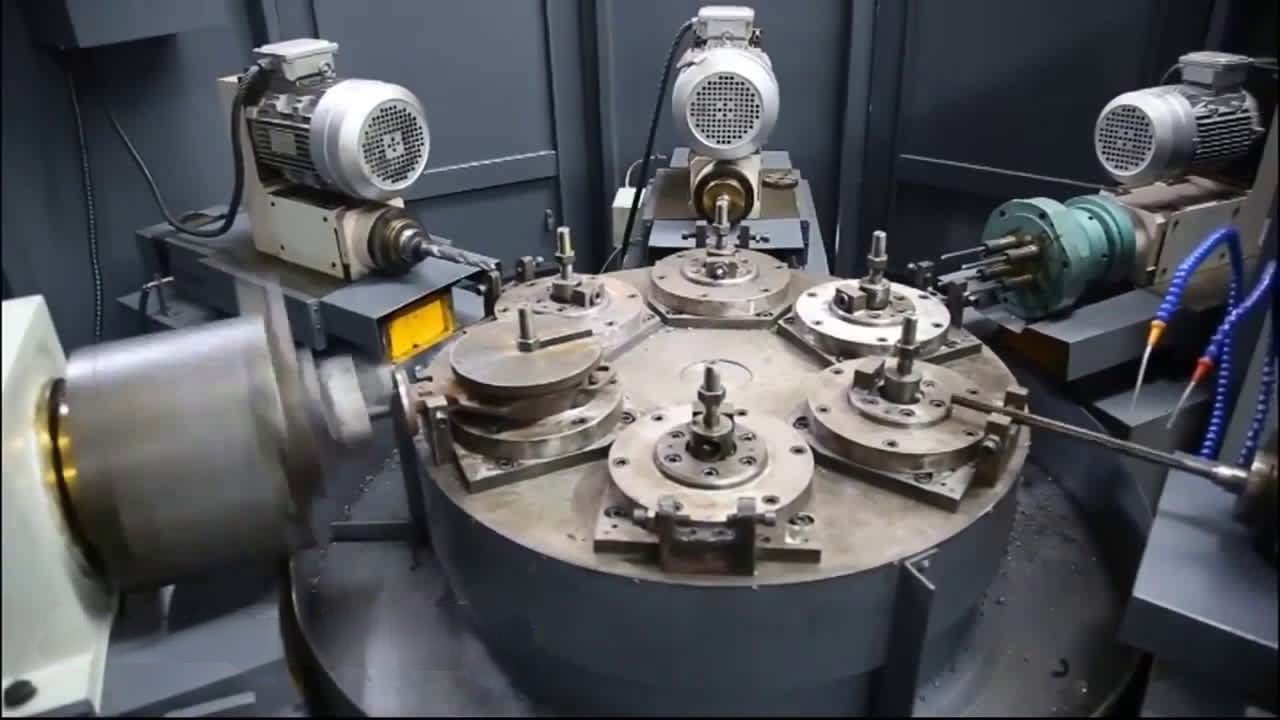
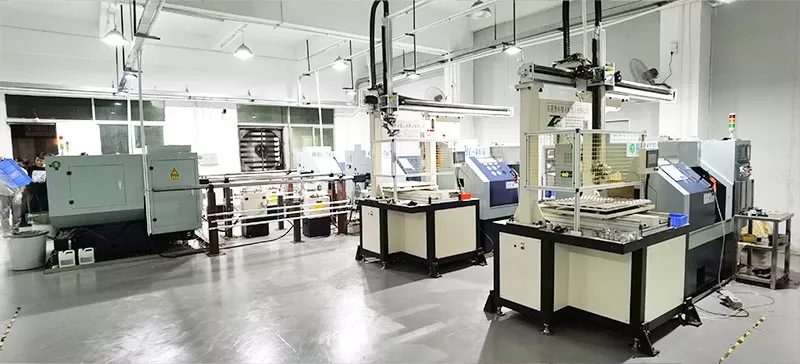
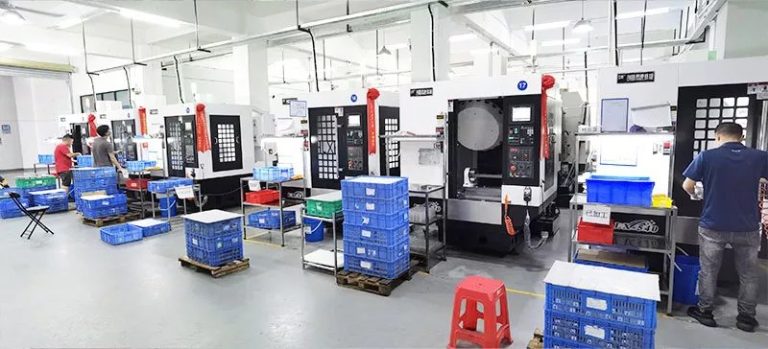
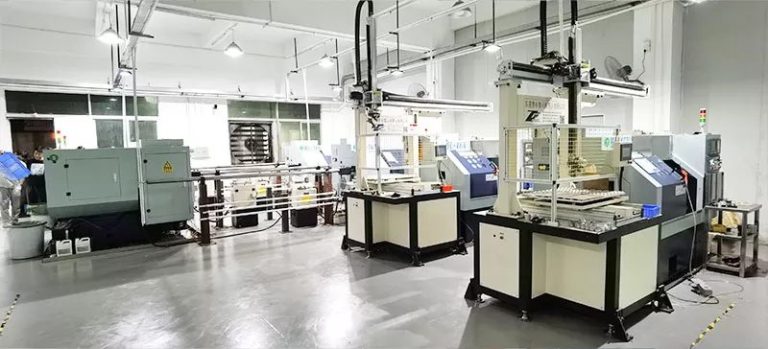
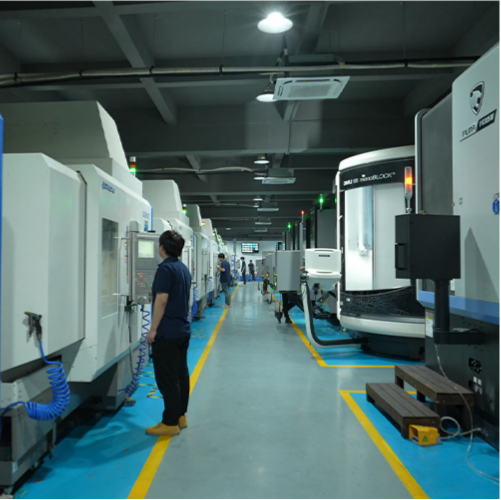
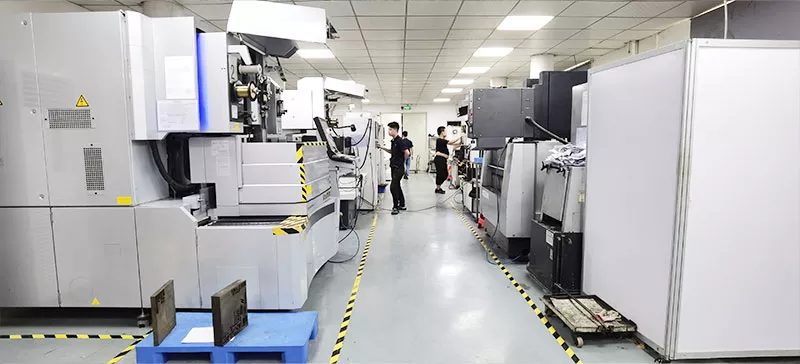
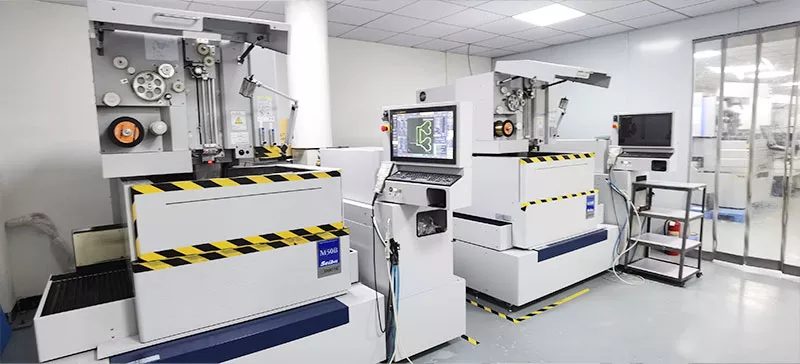
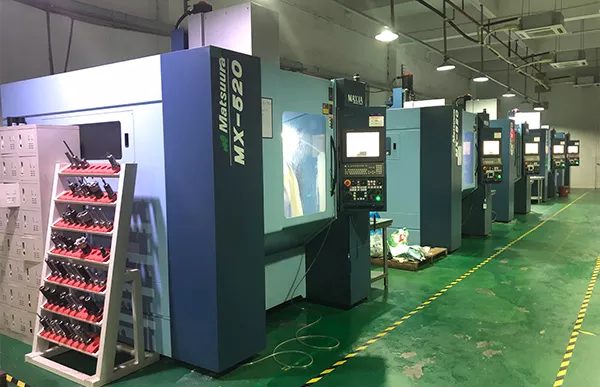
Real Production Capacity Backed by an Operating Workshop
Manufacturing capability is not only about machine lists. Real workshop photos help buyers understand the actual production environment, equipment organization, and the support behind repeat orders and long-term supply.