-1-1-2-126x39.png)

Machining Material Selection Solutions for Mechanical Equipment Parts, Automation Modules and Industrial Structural Components
Material selection for mechanical equipment parts is not just about choosing one metal.
For mechanical equipment parts projects, material selection often directly affects strength, corrosion resistance, weight, machining efficiency and total cost. This means a material page should not simply list material names. It should help customers judge which materials are more suitable for which applications.
For brackets, housings, flanges, shafts, connectors and assembly-sensitive parts, the right material choice can reduce later rework, overdesign and unnecessary manufacturing cost.
If you already have drawings or have roughly defined the application scenario, it is recommended to submit the part function, loading condition, working environment and surface finishing requirements together with your RFQ. This makes it easier to receive a more relevant material recommendation and quotation approach.
Whether you currently use standard aluminum alloys, stainless steel, structural steel, copper alloys, or need to replace imported materials or optimize an existing material plan, you can include the material grade, whether substitute brands are acceptable and the application environment in your RFQ. We can then provide a more suitable material recommendation and machining route based on part function, surface finishing needs and downstream assembly conditions, helping you balance performance, machining cost and long-term supply stability.
Supported drawing formats: STEP / STP / IGS / X_T / PDF / DWG.
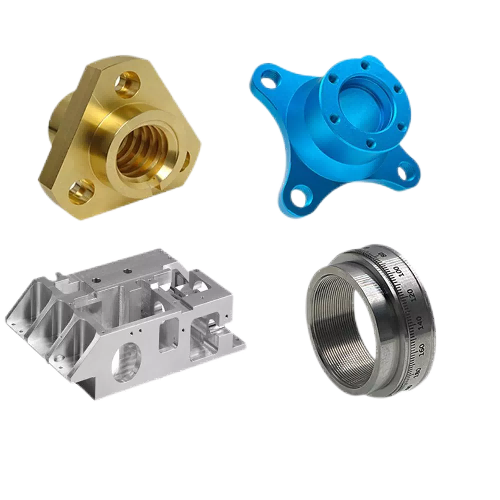
Material selection affects part strength, corrosion resistance, machining efficiency, cost control and long-term supply stability.
Which Projects Need Closer Attention to Material Selection
When a part must balance strength, corrosion resistance and machining efficiency at the same time, material selection becomes more critical.
If a part must handle mechanical load while also considering weight, surface finishing, corrosion resistance or assembly precision, the material should not be selected simply because it is common. It should be evaluated against the real working condition.
For automation equipment, industrial modules, medical devices, semiconductor equipment and mechanical transmission parts, different materials directly affect machining routes, lead-time planning and batch consistency.
These projects are better suited to material confirmation during the RFQ stage rather than waiting until process review or sampling, because late material changes often affect tool strategy, surface treatment, structural stability and the overall cost model.
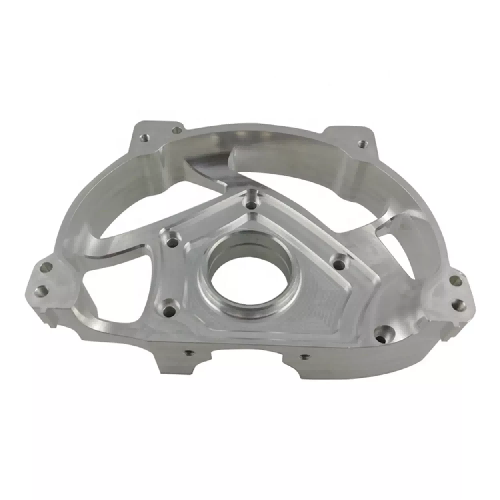
The earlier material direction is confirmed, the easier it is to stabilize machining route, cost structure and lead-time planning.
When Aluminum Alloys Are a Better Fit
When a project places more emphasis on lightweight design, machining efficiency and overall cost balance, aluminum alloys are usually the more practical option.
For mechanical equipment parts that need weight control, shorter machining cycles and better cost efficiency, aluminum alloys are often a more common and easier-to-implement solution. This is because aluminum alloys offer good machinability, weight advantages and better compatibility with common surface treatments in industrial production.
They are frequently used for brackets, housings, mounting plates, frame parts and automation module structures.
If the project also requires relatively high strength together with good machining efficiency, it is practical to review common aluminum grades such as 6061, 7075 and 2024 first. If you are unsure which grade is more suitable, you can upload your drawing and describe the application environment. We can then suggest a better option based on strength needs, weight targets and budget range.
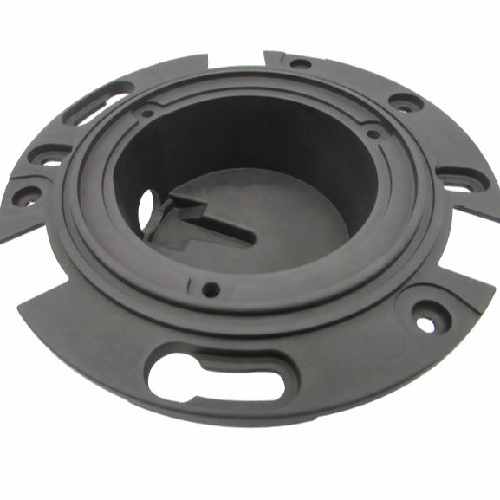
Aluminum alloys are often preferred where low weight, efficient machining and broad finishing compatibility matter most.
When Stainless Steel Deserves Priority Evaluation
When a part needs stronger corrosion resistance, structural stability and dependable long-term service performance, stainless steel is usually more worth evaluating first.
For parts operating in humid conditions, chemical media, long-term contact environments or applications requiring stronger structural stability, stainless steel is often more suitable than standard aluminum alloys.
That is because stainless steel generally offers better corrosion resistance, rigidity and long-term stability, and is commonly used for flanges, connectors, shafts, equipment structures and parts that need higher durability.
For general industrial environments, 304 or 316L may be practical first options. If the project also involves wear resistance, hardness or special operating conditions, the drawing, tolerance requirements and heat treatment or surface treatment expectations should be reviewed together before the material is finalized.
Stainless steel is usually the stronger starting point when corrosion resistance and long-term structural stability carry more weight than pure machining speed.
When Titanium Alloys Fit High-Requirement Parts Better
When a project simultaneously requires high strength, lightweight design and corrosion resistance, titanium alloys are usually more suitable for high-demand parts.
For parts that cannot be too heavy, cannot sacrifice strength and still need corrosion resistance or performance under special application conditions, titanium alloys are usually a higher-grade solution.
They are more commonly used in high-performance structural parts, medical-related components, selected high-end industrial equipment cores and complex parts that must balance strength and weight.
However, titanium alloy cost and machining difficulty are usually higher than aluminum alloys and standard stainless steel. That makes it more suitable for projects with clear performance targets, sufficient budget and relatively high part value. If you already have a target grade or application scenario, it is recommended to mention it in the RFQ so machining feasibility and cost can be assessed more accurately.
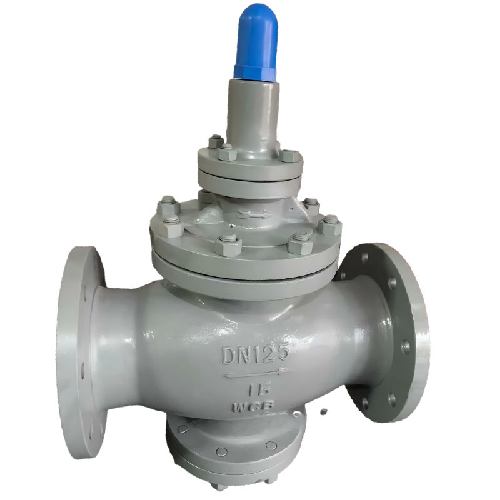
Titanium alloys are generally reserved for parts where the performance payoff justifies higher material and machining cost.
When Engineering Plastics Can Replace Metal
When the part priority is insulation, weight reduction, low load or specific friction behavior, engineering plastics may offer a stronger value advantage.
Not every mechanical equipment part has to be made of metal. For selected low-load structural parts, insulating parts, guide parts, buffer parts or components that are especially sensitive to weight, engineering plastics can sometimes become a more cost-effective alternative.
In the right scenario, these materials can reduce weight, reduce downstream processing and improve the operating behavior of certain contact interfaces.
However, engineering plastics are not suitable for every load-bearing structure. In high-temperature, high-impact, high-rigidity or long-term heavy-load conditions, their dimensional stability and service life need careful evaluation. It is recommended to describe the working environment, temperature range and loading condition in your RFQ so we can judge whether metal replacement is realistic.
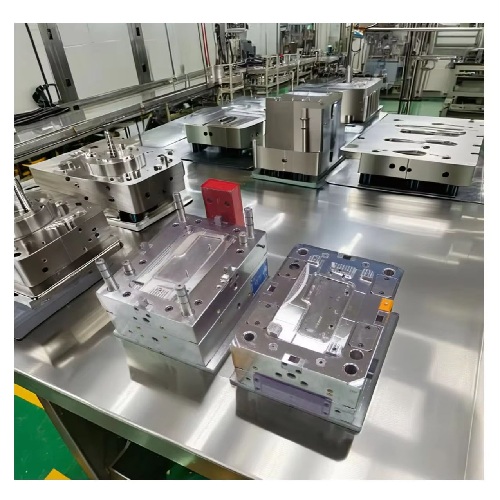
Engineering plastics can be a more efficient choice when the part is driven by insulation, low load, friction control or weight reduction instead of maximum rigidity.
How to Choose Between Different Materials
Material selection should be driven by the application first, not by unit price alone.
In mechanical equipment part projects, the most expensive material is not always the best choice, and the most common one is not automatically the most suitable. A better decision path is to first confirm part function, loading condition, environmental exposure, precision needs and cost targets, then work backward toward the material solution.
If the project is driven by lightweight design and machining efficiency, aluminum alloys are usually reviewed first. If corrosion resistance and long-term stability matter more, stainless steel is usually the first direction. If the project needs high performance, high strength and special environmental suitability, titanium alloys are more worth evaluating. If insulation, low weight or selected low-load conditions matter more, engineering plastics may be a useful option.
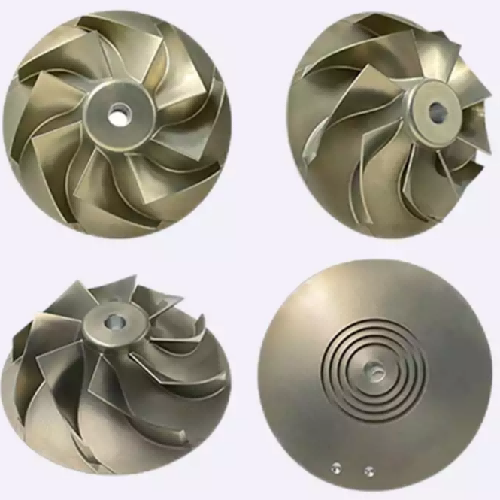
A practical material decision should link application, performance requirement, machining route and budget target instead of focusing on price alone.
Technical Boundary: Material Is Not an Isolated Decision
Material choice also affects tolerances, surface finishing compatibility and delivery timing.
Many customers write only “machine according to drawing” in their RFQ without clearly defining the material condition. This often slows early evaluation because material directly influences machining method, tool wear, surface finishing compatibility, dimensional stability and lead-time planning.
This difference becomes more obvious in high-assembly-requirement parts, tighter-tolerance parts and complex curved-surface components.
If you already have a clear material preference, it is recommended to state it directly in the RFQ. If you are still uncertain, it is still helpful to explain the use scenario, key dimensions, tolerance level and expected surface treatment so engineering review can move faster.
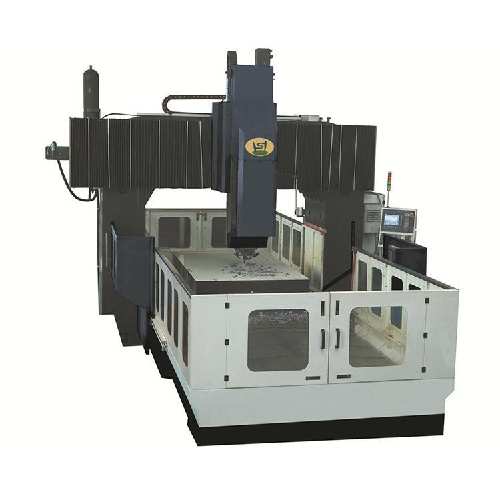
Material choice shapes tooling, dimensional stability, finishing compatibility and realistic lead-time commitments.
Quality Control and Material Confirmation
High-quality delivery is not only about final inspection. It also starts with material confirmation at the front end.
For mechanical equipment part projects, quality control should not stop at final dimensional inspection. It should include material confirmation from the beginning of the process. This is especially important for critical structural parts, assembly-sensitive parts and projects with corrosion resistance or strength requirements, because material grade, incoming condition and the matched process route all affect final delivery quality.
In actual manufacturing, we usually combine drawing review, material confirmation, first-piece machining, key-dimension inspection, in-process sampling and final shipment inspection to control risk.
For critical parts, first article reporting, repeated checks on key dimensions and batch-consistency inspections can also be arranged according to drawing priorities to reduce uncertainty during customer assembly and use.
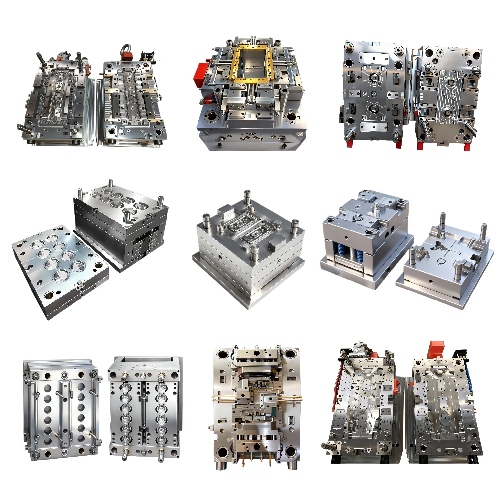
Stable delivery begins with early material confirmation, not only with the final inspection stage.
RFQ Preparation Checklist
If you want faster material advice and a more accurate quotation, it helps to prepare the right project information in advance.
If you want to confirm the machining material and quotation approach faster, the most effective method is to submit the drawing file, part function, target material or acceptable substitute material, quantity, key tolerances, surface finishing requirements and application environment together in your RFQ.
This can significantly reduce back-and-forth communication and makes it easier to judge whether an aluminum alloy, stainless steel, titanium alloy or engineering plastic solution is more suitable.
Recommended file formats include STEP, STP, IGS, X_T, PDF and DWG. It also helps to explain the working environment, assembly method and key dimensions.
For projects where the material has not yet been decided, it is still possible to begin with a directional material review as long as the part function and project goal are clearly described.
Frequently Asked Questions About Machining Materials
What should I do if I do not know whether to choose aluminum alloy or stainless steel?
Is titanium alloy always better than aluminum alloy?
Can engineering plastics replace metal?
Do I have to decide the material before requesting a quote?
Upload Drawings to Receive Material Advice That Fits Your Project Better
If your project involves brackets, housings, flanges, shafts, connectors, assembly parts or complex structural components, it is practical to submit the drawing and use requirements directly.
We can recommend a more suitable material direction and machining quotation based on part function, strength target, corrosion-resistance goal, tolerance level and cost range.
This is also consistent with your site’s existing public entry points for uploading drawings, 24-hour quotation follow-up and WhatsApp communication, so the page promise stays aligned with the actual process instead of creating a gap between marketing and delivery.