-1-1-2-126x39.png)

Решения по выбору материалов для деталей механического оборудования, автоматизационных модулей и промышленных конструктивных узлов
Выбор материала для деталей механического оборудования — это не просто выбор одного металла. Для таких проектов материал обычно напрямую влияет на прочность, коррозионную стойкость, массу, эффективность обработки и общую стоимость, поэтому страница материалов не должна ограничиваться перечнем марок, а должна помогать заказчику понять, какой материал лучше подходит для конкретного сценария применения.
Для кронштейнов, корпусов, фланцев, валов, соединительных деталей и деталей, чувствительных к сборке, правильный выбор материала помогает сократить последующие доработки, избыточное проектирование и ненужные производственные затраты.
Если у вас уже есть чертёж или предварительно определён сценарий применения, рекомендуем при запросе цены одновременно предоставить назначение детали, характер нагрузки, рабочую среду и требования к поверхностной обработке. Это помогает быстрее получить более точные рекомендации по материалу и коммерческое предложение.
Независимо от того, используете ли вы сейчас стандартный алюминиевый сплав, нержавеющую сталь, конструкционную сталь, медный сплав, либо хотите заменить импортный материал или оптимизировать текущую схему выбора, вы можете указать марку материала, допустимость замены бренда и условия эксплуатации прямо при подаче RFQ. Мы сопоставим функцию детали, требования к поверхности и последующую сборку, чтобы предложить более подходящую комбинацию материала и технологии обработки, сохранив баланс между эксплуатационными требованиями, стоимостью обработки и стабильностью долгосрочных поставок.
Выбор материала для деталей механического оборудования напрямую влияет на прочность, коррозионную стойкость, массу, технологичность и общую стоимость проекта.
RFQ Посмотреть полные рекомендации по выбору материалов
Для кронштейнов, корпусов, фланцев, валов, соединительных деталей и деталей, чувствительных к сборке, правильный выбор материала помогает сократить последующие доработки, избыточное проектирование и ненужные производственные затраты.
Если у вас уже есть чертёж или предварительно определён сценарий применения, рекомендуем при запросе цены одновременно предоставить назначение детали, характер нагрузки, рабочую среду и требования к поверхностной обработке. Это помогает быстрее получить более точные рекомендации по материалу и коммерческое предложение.
Независимо от того, используете ли вы сейчас стандартный алюминиевый сплав, нержавеющую сталь, конструкционную сталь, медный сплав, либо хотите заменить импортный материал или оптимизировать текущую схему выбора, вы можете указать марку материала, допустимость замены бренда и условия эксплуатации прямо при подаче RFQ. Мы сопоставим функцию детали, требования к поверхности и последующую сборку, чтобы предложить более подходящую комбинацию материала и технологии обработки, сохранив баланс между эксплуатационными требованиями, стоимостью обработки и стабильностью долгосрочных поставок.
Каким проектам особенно важно уделять внимание выбору материала
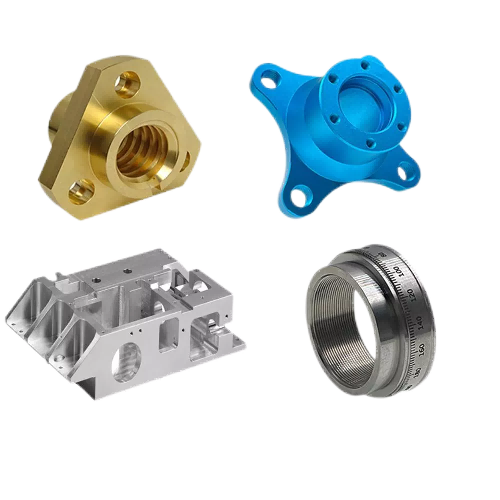
Когда деталь одновременно должна выдерживать механическую нагрузку и при этом учитывать массу, поверхностную обработку, коррозионную стойкость или точность сборки, выбор материала уже не должен определяться только по принципу «обычно используют этот». Его нужно оценивать в привязке к реальным условиям эксплуатации.
Для автоматизационного оборудования, промышленных модулей, медицинских устройств, полупроводникового оборудования и деталей механических передач разные материалы напрямую влияют на маршрут обработки, планирование сроков и стабильность партии.
Для таких проектов лучше подтверждать материал уже на стадии RFQ и загрузки чертежей, а не менять его позже на стадии технологии или образца, потому что поздняя замена часто затрагивает инструмент, поверхностную обработку, структурную стабильность и модель себестоимости.
Если деталь одновременно связана с прочностью, коррозионной стойкостью и эффективностью обработки, выбор материала становится критичнее.
Материал Посмотреть полную оценку сценариев применения
Когда деталь одновременно должна выдерживать механическую нагрузку и при этом учитывать массу, поверхностную обработку, коррозионную стойкость или точность сборки, выбор материала уже не должен определяться только по принципу «обычно используют этот». Его нужно оценивать в привязке к реальным условиям эксплуатации.
Для автоматизационного оборудования, промышленных модулей, медицинских устройств, полупроводникового оборудования и деталей механических передач разные материалы напрямую влияют на маршрут обработки, планирование сроков и стабильность партии.
Для таких проектов лучше подтверждать материал уже на стадии RFQ, а не менять его позже на стадии технологии или образца, потому что поздняя замена часто затрагивает инструмент, поверхностную обработку, структурную стабильность и модель себестоимости.
Когда подходит алюминиевый сплав
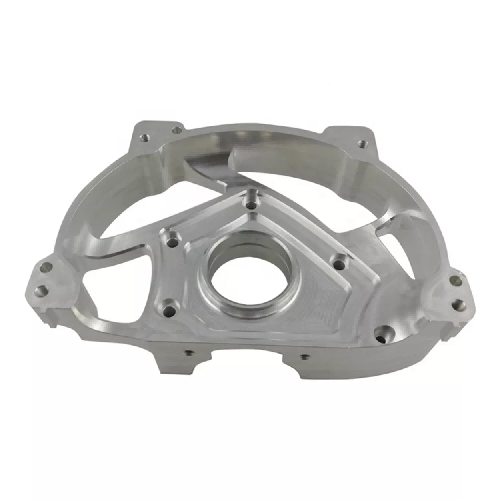
Когда в проекте важнее снижение массы, производительность обработки и совокупная стоимость, алюминиевый сплав обычно становится более практичным выбором.
Для деталей механического оборудования, где важно контролировать массу, сокращать цикл обработки и одновременно учитывать экономическую эффективность, алюминиевые сплавы остаются распространённым и удобным для внедрения решением. Они сочетают хорошую обрабатываемость, преимущество по массе и хорошую совместимость с поверхностной обработкой, поэтому часто применяются для кронштейнов, корпусов, монтажных плит, рамных деталей и конструктивных элементов автоматизационных модулей.
Если проект одновременно требует повышенной прочности и хорошей технологичности, стоит в первую очередь оценить серии 6061, 7075 и 2024. Если конкретная марка пока не определена, рекомендуем загрузить чертёж и описать рабочую среду. Мы соотнесём требования по прочности, целевую массу и бюджет, чтобы предложить более подходящий вариант материала.
Если проект больше ориентирован на снижение массы, технологичность и совокупную стоимость, алюминиевый сплав обычно подходит лучше.
Al Посмотреть полные рекомендации по алюминиевым сплавам
Для деталей механического оборудования, где важно контролировать массу, сокращать цикл обработки и одновременно учитывать экономическую эффективность, алюминиевые сплавы остаются распространённым и удобным для внедрения решением.
Они сочетают хорошую обрабатываемость, преимущество по массе и хорошую совместимость с поверхностной обработкой, поэтому часто применяются для кронштейнов, корпусов, монтажных плит, рамных деталей и конструктивных элементов автоматизационных модулей.
Если проект одновременно требует повышенной прочности и хорошей технологичности, стоит в первую очередь оценить серии 6061, 7075 и 2024. Если конкретная марка пока не определена, рекомендуем загрузить чертёж и описать рабочую среду.
Когда стоит приоритетно рассматривать нержавеющую сталь
Когда для детали важнее коррозионная стойкость, структурная стабильность и длительная работа в эксплуатации, нержавеющая сталь заслуживает первоочередной оценки.
Для деталей, работающих во влажной среде, в контакте с химическими средами, в условиях длительного контакта или при повышенных требованиях к структурной стабильности, нержавеющая сталь обычно подходит лучше, чем обычные алюминиевые сплавы. Её преимущества — коррозионная стойкость, жёсткость и долгосрочная стабильность. Поэтому она часто применяется для фланцев, соединительных элементов, валов, деталей оборудования и узлов с повышенными требованиями к ресурсу.
Если деталь работает в типовой промышленной среде, в первую очередь можно рассматривать 304 или 316L. Если одновременно есть требования по износостойкости, твёрдости или особым условиям эксплуатации, нужно дополнительно оценивать их вместе с чертежом, допусками и требованиями к термообработке или поверхностной обработке.
Если для детали важнее коррозионная стойкость, структурная стабильность и длительная эксплуатация, нержавеющая сталь обычно требует приоритетной оценки.
SS Посмотреть полные рекомендации по нержавеющей стали
Для деталей, работающих во влажной среде, в контакте с химическими средами, в условиях длительного контакта или при повышенных требованиях к структурной стабильности, нержавеющая сталь обычно подходит лучше, чем обычные алюминиевые сплавы.
Её преимущества — коррозионная стойкость, жёсткость и долгосрочная стабильность. Поэтому она часто применяется для фланцев, соединительных элементов, валов, деталей оборудования и узлов с повышенными требованиями к ресурсу.
Если деталь работает в типовой промышленной среде, в первую очередь можно рассматривать 304 или 316L. Если одновременно есть требования по износостойкости, твёрдости или особым условиям эксплуатации, нужно дополнительно оценивать их вместе с чертежом, допусками и требованиями к термообработке или поверхностной обработке.
Когда подходит титановый сплав
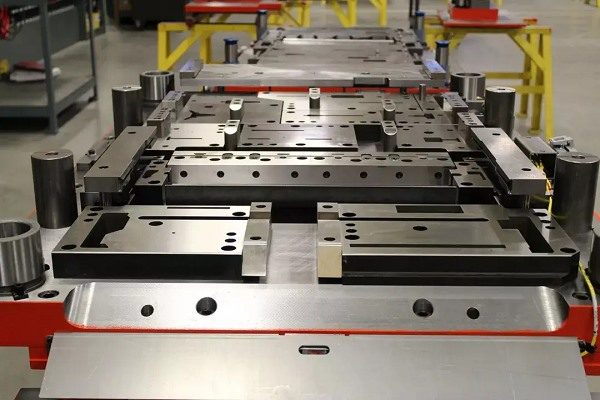
Когда проект одновременно требует высокой прочности, снижения массы и коррозионной стойкости, титановый сплав больше подходит для деталей с повышенными требованиями.
Для деталей, которые не должны быть слишком тяжёлыми, но при этом не могут терять прочность и должны учитывать коррозионную стойкость или особую среду применения, титановый сплав обычно относится к решениям более высокого уровня. Он чаще применяется в высоконагруженных конструктивных деталях, медицинских компонентах, ключевых деталях высокотехнологичного промышленного оборудования и в сложных деталях, где одновременно важны прочность и масса.
Однако стоимость титана и сложность его обработки обычно выше, чем у алюминиевых сплавов и стандартной нержавеющей стали. Поэтому его разумнее использовать в проектах с чётко определёнными требованиями к характеристикам, допустимым бюджетом и высокой ценностью детали. Если у вас уже есть целевая марка или понятный сценарий применения, укажите это при запросе цены, чтобы точнее оценить технологичность и себестоимость.
Если проект одновременно требует высокой прочности, снижения массы и коррозионной стойкости, титановый сплав больше подходит для деталей высокого уровня.
Ti Посмотреть полные рекомендации по титановым сплавам
Для деталей, которые не должны быть слишком тяжёлыми, но при этом не могут терять прочность и должны учитывать коррозионную стойкость или особую среду применения, титановый сплав обычно относится к решениям более высокого уровня.
Он чаще применяется в высоконагруженных конструктивных деталях, медицинских компонентах, ключевых деталях высокотехнологичного промышленного оборудования и в сложных деталях, где одновременно важны прочность и масса.
Однако стоимость титана и сложность его обработки обычно выше, чем у алюминиевых сплавов и стандартной нержавеющей стали. Поэтому его разумнее использовать в проектах с чётко определёнными требованиями к характеристикам, допустимым бюджетом и высокой ценностью детали.
Когда инженерные пластики могут заменить металл
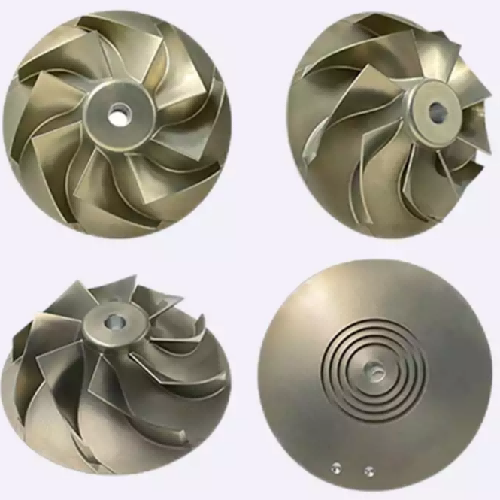
Если для детали важнее изоляция, снижение массы, невысокая нагрузка или определённые фрикционные характеристики, инженерные пластики иногда оказываются более выгодным решением.
Не все детали механического оборудования обязательно должны выполняться из металла. Для части низконагруженных конструктивных деталей, изоляторов, направляющих, демпфирующих элементов или деталей, где особенно чувствительна масса, инженерные пластики могут быть более рентабельной альтернативой. В определённых сценариях они помогают снизить массу, сократить последующую обработку и улучшить поведение отдельных сопрягаемых поверхностей.
При этом инженерные пластики подходят не для всех силовых деталей. Особенно осторожно нужно оценивать их размерную стабильность и срок службы в условиях высокой температуры, ударной нагрузки, повышенной жёсткости или длительной высокой нагрузки. Рекомендуем указывать в RFQ рабочую среду, температурный диапазон и характер нагрузки, чтобы оценить, действительно ли пластик может заменить металл.
Если ключевыми параметрами детали являются изоляция, снижение массы, невысокая нагрузка или специальные фрикционные свойства, инженерные пластики могут иметь преимущество.
Пластик Посмотреть полные рекомендации по инженерным пластикам
Не все детали механического оборудования обязательно должны выполняться из металла. Для части низконагруженных конструктивных деталей, изоляторов, направляющих, демпфирующих элементов или деталей, где особенно чувствительна масса, инженерные пластики могут быть более рентабельной альтернативой.
В определённых сценариях они помогают снизить массу, сократить последующую обработку и улучшить поведение отдельных сопрягаемых поверхностей.
При этом инженерные пластики подходят не для всех силовых деталей. Особенно осторожно нужно оценивать их размерную стабильность и срок службы в условиях высокой температуры, ударной нагрузки, повышенной жёсткости или длительной высокой нагрузки.
Как выбирать между разными материалами
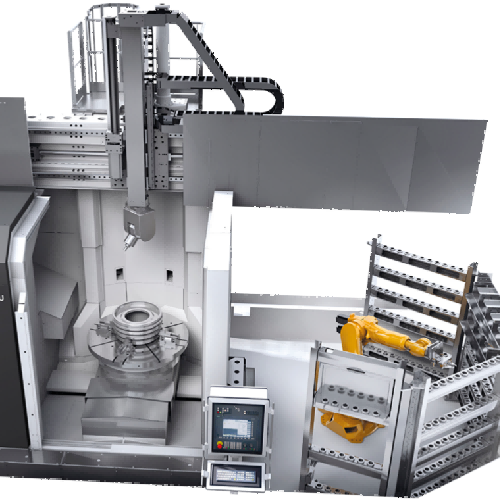
Выбор материала в первую очередь должен строиться вокруг применения детали, а не только вокруг цены за килограмм или стоимости заготовки.
В проектах по деталям механического оборудования материал не становится лучше только потому, что он дороже, и не становится правильным только потому, что используется чаще. Гораздо разумнее сначала подтвердить назначение детали, характер нагрузки, условия среды, требования к точности и целевой бюджет, а затем уже подбирать материал. Так проще найти баланс между рабочими характеристиками и стоимостью изготовления.
Если приоритетом являются снижение массы и эффективность обработки, обычно сначала рассматривают алюминиевые сплавы. Если важнее коррозионная стойкость и длительная стабильность, сначала оценивают нержавеющую сталь. Если проект требует высоких характеристик, прочности и работы в специальных средах, стоит рассматривать титановый сплав. Если важнее изоляция, малая масса или отдельные низконагруженные сценарии, можно оценить решение на базе инженерных пластиков.
Выбор материала должен в первую очередь опираться на назначение детали, а не только на единичную цену материала.
Сравнение Посмотреть полную логику выбора материалов
В проектах по деталям механического оборудования материал не становится лучше только потому, что он дороже, и не становится правильным только потому, что используется чаще. Гораздо разумнее сначала подтвердить назначение детали, характер нагрузки, условия среды, требования к точности и целевой бюджет, а затем уже подбирать материал.
Так проще найти баланс между рабочими характеристиками и стоимостью изготовления.
Если приоритетом являются снижение массы и эффективность обработки, обычно сначала рассматривают алюминиевые сплавы. Если важнее коррозионная стойкость и длительная стабильность, сначала оценивают нержавеющую сталь. Если проект требует высоких характеристик, прочности и работы в специальных средах, стоит рассматривать титановый сплав. Если важнее изоляция, малая масса или отдельные низконагруженные сценарии, можно оценить решение на базе инженерных пластиков.
Технические границы: материал влияет не только на закупку
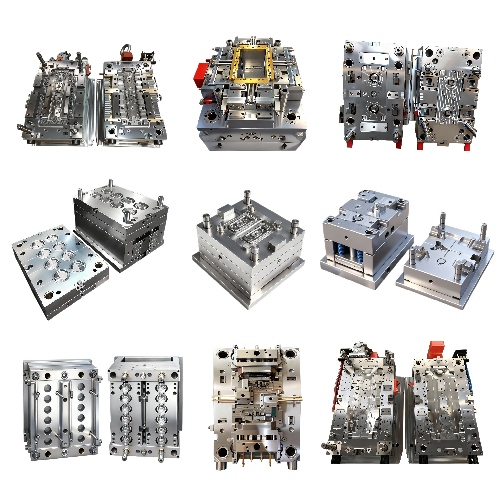
Материал не является изолированным решением. Он напрямую влияет на допуски, поверхностную обработку и сроки поставки.
Многие заказчики при запросе цены пишут только «обработка по чертежу», но не уточняют условия по материалу. Это замедляет начальную оценку, потому что материал напрямую влияет на способ обработки, износ инструмента, совместимость с поверхностной обработкой, размерную стабильность и планирование сроков. Особенно для деталей с высокими требованиями к сборке, жёсткими допусками или сложной геометрией различия между материалами в стратегии обработки становятся заметнее.
Поэтому, если у вас уже есть чёткое предпочтение по материалу, его лучше сразу указать в RFQ. Если материал ещё не определён, рекомендуем хотя бы описать сценарий применения, ключевые размеры, требования по допускам и ожидаемую поверхностную обработку. Это ускорит инженерную оценку.
Материал нельзя рассматривать отдельно, потому что он напрямую влияет на допуски, поверхностную обработку и сроки поставки.
Границы Посмотреть полное объяснение по допускам и срокам
Многие заказчики при запросе цены пишут только «обработка по чертежу», но не уточняют условия по материалу. Это замедляет начальную оценку, потому что материал напрямую влияет на способ обработки, износ инструмента, совместимость с поверхностной обработкой, размерную стабильность и планирование сроков.
Особенно для деталей с высокими требованиями к сборке, жёсткими допусками или сложной геометрией различия между материалами в стратегии обработки становятся заметнее.
Поэтому, если у вас уже есть чёткое предпочтение по материалу, его лучше сразу указать в RFQ. Если материал ещё не определён, рекомендуем хотя бы описать сценарий применения, ключевые размеры, требования по допускам и ожидаемую поверхностную обработку.
Контроль качества и подтверждение материала
Высокое качество поставки — это не только финальная инспекция, но и подтверждение материала на ранней стадии.
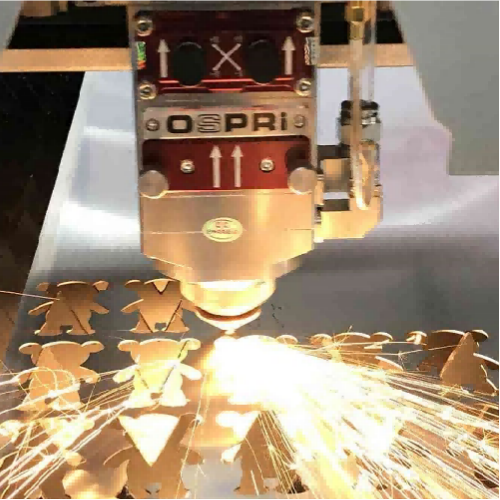
Для проектов по деталям механического оборудования контроль качества не должен ограничиваться только финальной проверкой размеров. Его нужно включать в процесс уже с этапа подтверждения материала. Особенно для ключевых несущих деталей, деталей, чувствительных к сборке, и проектов, где важны коррозионная стойкость или прочность, итоговое качество напрямую зависит от марки материала, состояния заготовки и выбранного технологического маршрута.
В реальном производственном процессе мы обычно совмещаем проверку чертежа, подтверждение материала, обработку первой детали, контроль ключевых размеров, выборочный процессный контроль и финальную отгрузочную инспекцию. Для критичных деталей при необходимости можно дополнительно организовать отчёт по первой детали, повторный контроль ключевых размеров и проверку стабильности партии, чтобы снизить неопределённость на стадии сборки и эксплуатации.
Вы также можете перейти на страницы контроля качества, 5-осевой CNC обработки и 3-осевой CNC обработки, чтобы быстрее сопоставить материал с технологией обработки и проверкой размеров.
Качественная поставка зависит не только от финальной инспекции, но и от подтверждения материала на ранней стадии проекта.
QC Посмотреть полный процесс подтверждения материала и контроля
Для проектов по деталям механического оборудования контроль качества не должен ограничиваться только финальной проверкой размеров. Его нужно включать в процесс уже с этапа подтверждения материала.
Особенно для ключевых несущих деталей, деталей, чувствительных к сборке, и проектов, где важны коррозионная стойкость или прочность, итоговое качество напрямую зависит от марки материала, состояния заготовки и выбранного технологического маршрута.
В реальном производственном процессе мы обычно совмещаем проверку чертежа, подтверждение материала, обработку первой детали, контроль ключевых размеров, выборочный процессный контроль и финальную отгрузочную инспекцию.
Подготовка к RFQ: что стоит отправить заранее
Если вы хотите быстрее получить рекомендации по материалу и расчёт стоимости, лучше заранее подготовить полный набор ключевой информации.
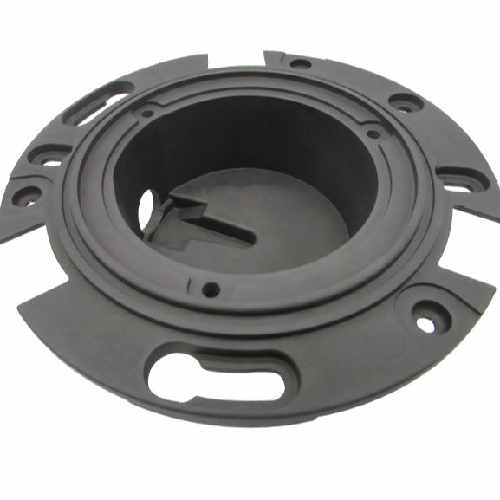
Самый эффективный способ ускорить подтверждение материала и расчёт стоимости — одновременно отправить чертежи, назначение детали, целевой материал или допустимые альтернативы, объём, критичные допуски, требования к поверхностной обработке и условия эксплуатации. Это заметно сокращает время на уточнения и помогает точнее понять, нужен ли алюминиевый сплав, нержавеющая сталь, титановый сплав или инженерный пластик.
В приоритете файлы STEP, STP, IGS, X_T, PDF или DWG. Также полезно дополнительно указать рабочую среду, способ сборки и критичные размеры. Даже если материал пока окончательно не определён, направление подбора можно оценить уже по назначению детали и ожидаемому результату.
Для более точной предварительной оценки также можно перейти на страницы производственных возможностей, материалов и отраслевых применений.
Чтобы быстрее получить рекомендацию по материалу и расчёт стоимости, лучше сразу отправить чертеж, сценарий применения и ключевые требования.
RFQ Посмотреть полный список подготовки к запросу
Самый эффективный способ ускорить подтверждение материала и расчёт стоимости — одновременно отправить чертежи, назначение детали, целевой материал или допустимые альтернативы, объём, критичные допуски, требования к поверхностной обработке и условия эксплуатации.
Это заметно сокращает время на уточнения и помогает точнее понять, нужен ли алюминиевый сплав, нержавеющая сталь, титановый сплав или инженерный пластик.
В приоритете файлы STEP, STP, IGS, X_T, PDF или DWG. Также полезно дополнительно указать рабочую среду, способ сборки и критичные размеры.
Частые вопросы по материалам для обработки
Q1: Что делать, если я пока не знаю, выбрать алюминиевый сплав или нержавеющую сталь?
Если материал пока не определён, лучше сначала отправить чертёж и описать назначение детали, характер нагрузки, условия эксплуатации и целевой бюджет. Так проще понять, что в вашем случае важнее — снижение массы и эффективность обработки или коррозионная стойкость и структурная стабильность.
Q2: Титановый сплав всегда лучше алюминиевого?
Не обязательно. Титан обычно имеет преимущества по прочности, коррозионной стойкости и применению в высокотребовательных проектах, но его стоимость и сложность обработки также обычно выше. Более подходящий вариант определяется реальными требованиями к детали, а не только классом материала.
Q3: Может ли инженерный пластик заменить металл?
В части сценариев, связанных с изоляцией, невысокой нагрузкой, снижением массы или направляющими деталями, инженерный пластик действительно может выступать заменой. Но для длительной высокой нагрузки, высокой температуры или требований по высокой жёсткости его нужно оценивать особенно осторожно с точки зрения размерной стабильности и ресурса.
Q4: Обязательно ли заранее окончательно определять материал перед запросом цены?
Нет, это не обязательно. Но если материал ещё не определён, лучше хотя бы описать назначение детали, рабочую среду, характер нагрузки и ключевые требования. Это позволит быстрее подготовить рекомендации по материалу и расчёт стоимости.
Загрузите чертеж и получите рекомендации по материалу, лучше подходящему для вашего проекта
Если ваш проект включает кронштейны, корпуса, фланцы, валы, соединительные детали, сборочные компоненты или сложные конструктивные детали, рекомендуем сразу отправить чертёж и требования по применению.
Мы подберём направление по материалу и расчёт стоимости, опираясь на назначение детали, требования по прочности, целевой уровень коррозионной стойкости, класс допусков и допустимый диапазон стоимости.
Вторичная ссылка на консультацию через WhatsApp согласована с текущими открытыми входами сайта — загрузка чертежей, расчёт стоимости и общение через WhatsApp — поэтому обещания на странице не расходятся с реальным процессом обработки запроса.
Если ваш проект включает кронштейны, корпуса, фланцы, валы, соединительные или сложные конструктивные детали, лучше сразу отправить чертёж и требования по применению.
CTA Посмотреть полную рекомендацию по подаче запроса
Мы подберём направление по материалу и расчёт стоимости, опираясь на назначение детали, требования по прочности, целевой уровень коррозионной стойкости, класс допусков и допустимый диапазон стоимости.
Вторичная ссылка на консультацию через WhatsApp согласована с текущими открытыми входами сайта — загрузка чертежей, расчёт стоимости и общение через WhatsApp — поэтому обещания на странице не расходятся с реальным процессом обработки запроса.