-1-1-2-126x39.png)
Полный контроль качества для механических деталей оборудования и автоматизированных узлов
Наш завод применяет систему качества полного цикла, построенную вокруг чертежей, допусков, материалов и условий применения. Она охватывает входной контроль материалов, подтверждение первой детали, межоперационные проверки и финальный выпуск партии, чтобы вы получали более управляемый результат по точности размеров, стабильности партии и надежности поставки.
Независимо от того, нужен ли вам инженерный образец или долгосрочный серийный заказ, достаточно отправить чертежи и ключевые требования к качеству на этапе RFQ. Мы подготовим выполнимую схему контроля качества и рекомендации по объему инспекции в течение 24 часов.
Если вашему проекту нужны размерные отчеты, полный протокол измерений, FAIR или файлы качества по шаблону клиента, укажите глубину инспекции и формат документов уже на этапе запроса. Мы заранее спланируем метод контроля и долю выборки по уровню точности, типу партии и отраслевым требованиям.
1. Как мы определяем годную механическую деталь
Для проектов по механическим деталям оборудования годная деталь — это не только размер в пределах допуска, но и стабильная работа в реальном применении с полной прослеживаемой записью по качеству.
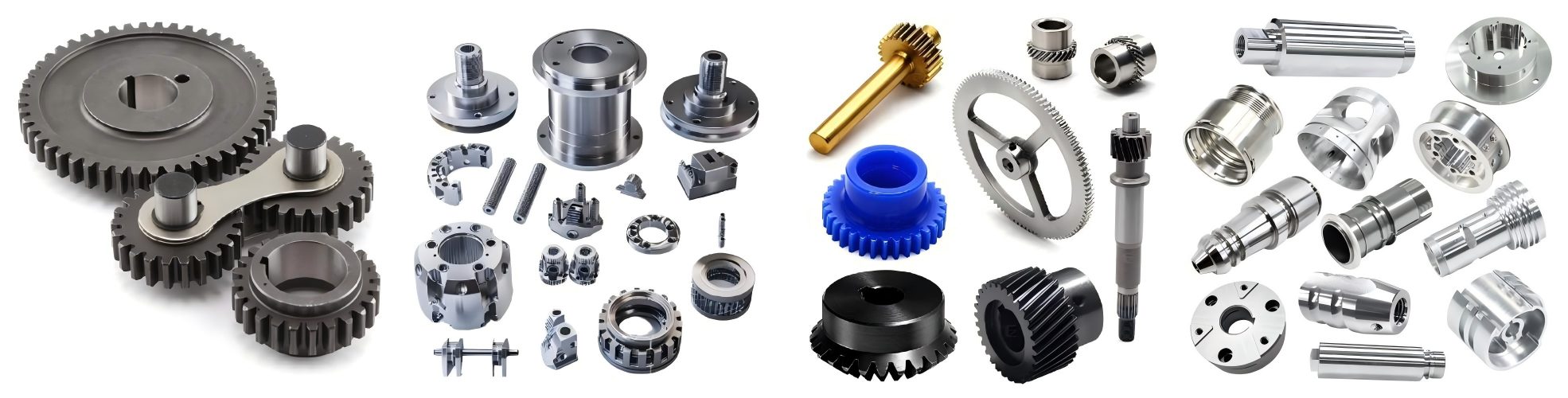
Для кронштейнов, корпусов, фланцев, валов, направляющих и сборочных деталей единичная проверка не гарантирует стабильность партии и не подтверждает работу детали при сборке, вибрации, изменении температуры и длительной нагрузке. Поэтому контроль качества должен начинаться с анализа чертежа, подтверждения материала и планирования технологии, а затем продолжаться в процессе производства и по итоговым данным партии.
Такой подход особенно важен для конструкций автоматизированных линий, приспособлений, точных приводных элементов, медицинских неимплантируемых деталей и промышленных модулей с длительным циклом работы. Отказ таких деталей приводит к простою, переделке и цепному влиянию на линию или downstream-оборудование.
Если для критически важных деталей у вас есть специальные требования по функциональной годности, отметьте на чертеже или в RFQ ключевые размеры, базовые сборочные поверхности и CTQ/CTF, а также опишите рабочую среду. Мы включим эти характеристики в отдельный пункт плана качества.
1. Как мы определяем годную механическую деталь
Для проектов по механическим деталям оборудования годная деталь — это не только размер в пределах допуска, но и стабильная работа в реальном применении с полной прослеживаемой записью по качеству.
Загрузить чертежи для расчетаПосмотреть полный подход к критериям годности детали ⌄
Для кронштейнов, корпусов, фланцев, валов, направляющих и сборочных деталей единичная проверка не гарантирует стабильность партии и не подтверждает работу детали при сборке, вибрации, изменении температуры и длительной нагрузке. Поэтому контроль качества должен начинаться с анализа чертежа, подтверждения материала и планирования технологии, а затем продолжаться в процессе производства и по итоговым данным партии.
Такой подход особенно важен для конструкций автоматизированных линий, приспособлений, точных приводных элементов, медицинских неимплантируемых деталей и промышленных модулей с длительным циклом работы. Отказ таких деталей приводит к простою, переделке и цепному влиянию на линию или downstream-оборудование.
Если для критически важных деталей у вас есть специальные требования по функциональной годности, отметьте на чертеже или в RFQ ключевые размеры, базовые сборочные поверхности и CTQ/CTF, а также опишите рабочую среду. Мы включим эти характеристики в отдельный пункт плана качества.
2. Система менеджмента качества и основа сертификации
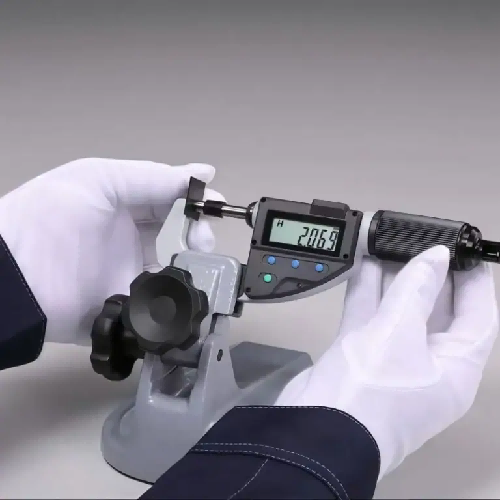
Наша система менеджмента качества выстроена в соответствии с ISO 9001 и обеспечивает контролируемое производство и поставку каждой партии через документированные процессы, регистрацию данных и постоянное улучшение.
В ежедневной работе мы поддерживаем полный поток от анализа чертежей и входного контроля материалов до управления процессом, финальной инспекции и обработки несоответствий. Для всех ключевых точек предусмотрены записи и требования к прослеживаемости, что удобно для долгосрочных проектов, повторяющихся заказов и аудитов со стороны клиента.
Такая системная модель особенно важна для OEM-производителей автоматизации, интеграторов оборудования, изготовителей точных модулей и международных проектов с чувствительностью к аудиту. Им нужны не только детали, но и стабильные записи процесса, подтверждающие управление качеством.
Если ваш проект должен пройти внешний аудит или аудит клиента, мы можем заранее поделиться обзором процесса качества и примерами записей, а также поддержать проектные соглашения по качеству, PPAP и другие индивидуальные документальные требования.
2. Система менеджмента качества и основа сертификации
Наша система менеджмента качества выстроена в соответствии с ISO 9001 и обеспечивает контролируемое производство и поставку каждой партии через документированные процессы, регистрацию данных и постоянное улучшение.
Отправить требования к качествуПосмотреть систему качества и требования к записям ⌄
В ежедневной работе мы поддерживаем полный поток от анализа чертежей и входного контроля материалов до управления процессом, финальной инспекции и обработки несоответствий. Для всех ключевых точек предусмотрены записи и требования к прослеживаемости, что удобно для долгосрочных проектов, повторяющихся заказов и аудитов со стороны клиента.
Такая системная модель особенно важна для OEM-производителей автоматизации, интеграторов оборудования, изготовителей точных модулей и международных проектов с чувствительностью к аудиту. Им нужны не только детали, но и стабильные записи процесса, подтверждающие управление качеством.
Если ваш проект должен пройти внешний аудит или аудит клиента, мы можем заранее поделиться обзором процесса качества и примерами записей, а также поддержать проектные соглашения по качеству, PPAP и другие индивидуальные документальные требования.
3. Проверка чертежей и DFM-анализ
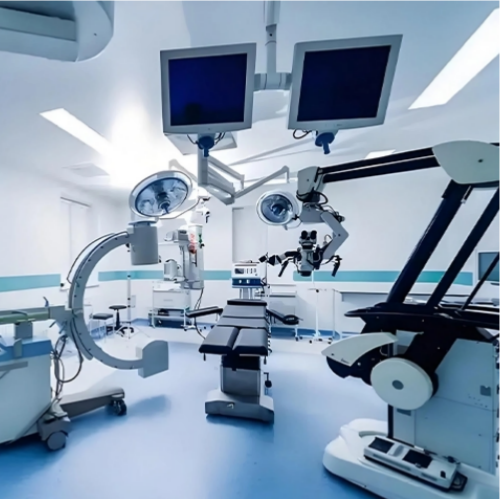
До официального предложения и запуска в производство мы проводим DFM-анализ каждого комплекта чертежей, чтобы оценить достижимость допусков, методы измерения, совместимость материала и потенциальные производственные риски, а не просто выставить цену по чертежу.
Такой подход помогает избежать ситуации, когда на чертеже присутствуют чрезмерно жесткие, но нефункциональные допуски, скрытые требования, которые трудно измерить, или конструкторские решения, не соответствующие свойствам материала. Без предварительного анализа это часто приводит к переделкам, изменениям и неконтролируемому росту стоимости, что напрямую влияет на сроки и сборку.
Например, для длинных валов мы отдельно оцениваем прямолинейность, соосность и метод обработки. Для тонкостенных корпусов мы проверяем толщину стенки, допуски и схему базирования. Для многопозиционных сборочных деталей мы заранее подтверждаем логичность баз и посадок.
Если вы хотите снизить производственный риск еще до заказа, приложите к загрузке чертежей схему сборки, описание критических сопряжений или функциональные требования. Мы можем подготовить краткие рекомендации DFM, чтобы вы приняли точечные решения по конструкции или допускам еще до запуска проекта.
3. Проверка чертежей и DFM-анализ
До официального предложения и запуска в производство мы проводим DFM-анализ каждого комплекта чертежей, чтобы оценить достижимость допусков, методы измерения, совместимость материала и потенциальные производственные риски, а не просто выставить цену по чертежу.
Получить DFM-рекомендацииПосмотреть полный анализ производимости и рисков ⌄
Такой подход помогает избежать ситуации, когда на чертеже присутствуют чрезмерно жесткие, но нефункциональные допуски, скрытые требования, которые трудно измерить, или конструкторские решения, не соответствующие свойствам материала. Без предварительного анализа это часто приводит к переделкам, изменениям и неконтролируемому росту стоимости, что напрямую влияет на сроки и сборку.
Например, для длинных валов мы отдельно оцениваем прямолинейность, соосность и метод обработки. Для тонкостенных корпусов мы проверяем толщину стенки, допуски и схему базирования. Для многопозиционных сборочных деталей мы заранее подтверждаем логичность баз и посадок.
Если вы хотите снизить производственный риск еще до заказа, приложите к загрузке чертежей схему сборки, описание критических сопряжений или функциональные требования. Мы можем подготовить краткие рекомендации DFM, чтобы вы приняли точечные решения по конструкции или допускам еще до запуска проекта.
4. Контроль материалов и входной инспекции
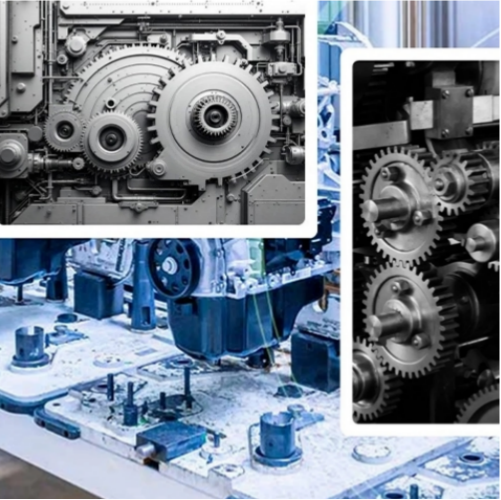
Все металлы и инженерные пластики, используемые в обработке, проходят входной контроль и фиксацию партий. Для ключевых проектов могут предоставляться документы по материалу, включая сертификаты, а также декларации RoHS и REACH, чтобы требования выполнялись с самого начала.
Химический состав материала, класс прочности, состояние термообработки и различия по партиям листа или прутка напрямую влияют на стабильность размеров, качество поверхности и срок службы. Если на входе есть отклонение, последующий строгий контроль процесса уже не всегда может его компенсировать.
Для проектов с конкретными марками, такими как 6061-T6, 7075-T651, 304, 316L, 17-4PH или специальными инженерными пластиками, мы проверяем сертификаты и маркировку по партиям уже на этапе входного контроля. Для высоких требований можно подключить независимую повторную верификацию материала.
Если вашему проекту нужна усиленная прослеживаемость партии материала или подтверждение экологического соответствия, укажите это в RFQ. Мы заранее включим в предложение необходимые документы, например MTC, RoHS/REACH, отчеты по ударным или растягивающим испытаниям.
4. Контроль материалов и входной инспекции
Все металлы и инженерные пластики, используемые в обработке, проходят входной контроль и фиксацию партий. Для ключевых проектов могут предоставляться документы по материалу, включая сертификаты, а также декларации RoHS и REACH, чтобы требования выполнялись с самого начала.
Указать требования к материалуПосмотреть детали по партиям материалов и документам ⌄
Химический состав материала, класс прочности, состояние термообработки и различия по партиям листа или прутка напрямую влияют на стабильность размеров, качество поверхности и срок службы. Если на входе есть отклонение, последующий строгий контроль процесса уже не всегда может его компенсировать.
Для проектов с конкретными марками, такими как 6061-T6, 7075-T651, 304, 316L, 17-4PH или специальными инженерными пластиками, мы проверяем сертификаты и маркировку по партиям уже на этапе входного контроля. Для высоких требований можно подключить независимую повторную верификацию материала.
Если вашему проекту нужна усиленная прослеживаемость партии материала или подтверждение экологического соответствия, укажите это в RFQ. Мы заранее включим в предложение необходимые документы, например MTC, RoHS/REACH, отчеты по ударным или растягивающим испытаниям.
5. Первая деталь и FAI: сначала подтверждаем первую единицу
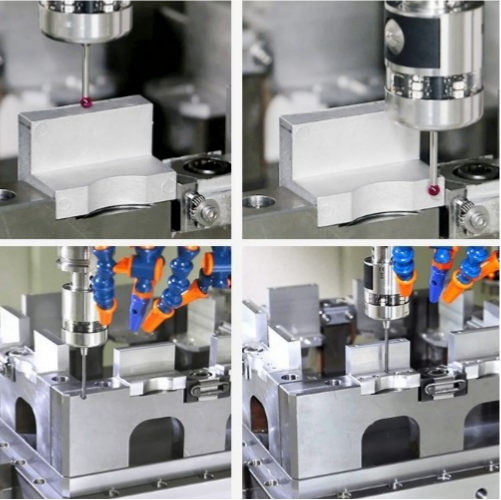
Для новых проектов и ключевых деталей мы выполняем FAI до серийной обработки, чтобы подтвердить соответствие первой детали по размерам, допускам, внешнему виду и функционально важным точкам, и только после этого открываем последующую партию.
Инспекция первой детали позволяет очень рано увидеть отклонения в базировании, траектории инструмента, оснастке или методе измерения. Это не дает одной и той же ошибке распространиться на всю серию и помогает одновременно экономить бюджет и защищать срок поставки.
Такой режим особенно подходит для высокоточных сопрягаемых деталей, сложных 5-осевых компонентов, комбинированных деталей с несколькими процессами, а также деталей, которые затем проходят поверхностную обработку или термообработку. При возврате на доработку эти типы быстро создают каскадную задержку по графику.
Если вам нужна более строгая фиксация по первой детали, мы можем согласовать отчет FAI, форму подтверждения или способ онлайн-подтверждения уже на этапе заказа и подобрать соответствующий шаблон записи под уровень проекта.
5. Первая деталь и FAI: сначала подтверждаем первую единицу
Для новых проектов и ключевых деталей мы выполняем FAI до серийной обработки, чтобы подтвердить соответствие первой детали по размерам, допускам, внешнему виду и функционально важным точкам, и только после этого открываем последующую партию.
Запросить план FAIПосмотреть полный порядок подтверждения первой детали ⌄
Инспекция первой детали позволяет очень рано увидеть отклонения в базировании, траектории инструмента, оснастке или методе измерения. Это не дает одной и той же ошибке распространиться на всю серию и помогает одновременно экономить бюджет и защищать срок поставки.
Такой режим особенно подходит для высокоточных сопрягаемых деталей, сложных 5-осевых компонентов, комбинированных деталей с несколькими процессами, а также деталей, которые затем проходят поверхностную обработку или термообработку. При возврате на доработку эти типы быстро создают каскадную задержку по графику.
Если вам нужна более строгая фиксация по первой детали, мы можем согласовать отчет FAI, форму подтверждения или способ онлайн-подтверждения уже на этапе заказа и подобрать соответствующий шаблон записи под уровень проекта.
6. Межоперационный контроль и стратегия выборки
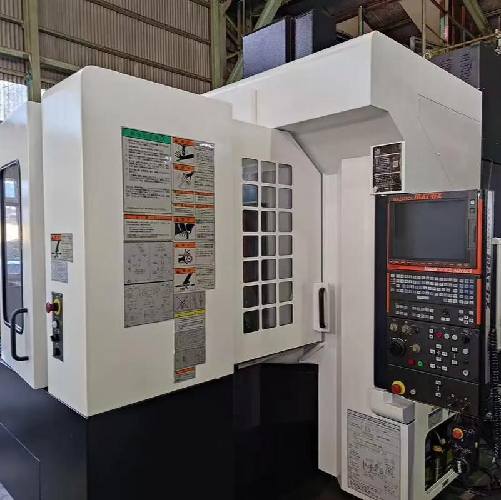
Во время реального производства мы не полагаемся только на финальную инспекцию. На ключевых операциях мы устанавливаем точки межоперационного контроля и выборочной проверки, используя измерение на станке, контроль между операциями и SPC, чтобы отслеживать стабильность партии еще до завершения всей обработки.
Это позволяет увидеть тенденцию отклонения в самом начале, а не ждать завершения всей партии и только потом находить брак. Такой подход снижает потери, предотвращает списание полной партии и особенно важен для контроля стоимости и срока в средних и крупных сериях.
Например, для валов и сопрягаемых отверстий мы регулярно контролируем диаметр, круглоту и позиционный допуск в процессе партии. Для деталей с высокими требованиями по плоскостности мы проводим дополнительную выборку после критических операций. Для долгосрочных серийных проектов можно вести анализ тенденций на базе SPC-данных.
Если некоторые характеристики должны находиться под специальным процессным контролем, отметьте на чертеже или в RFQ критические размеры и требования к мониторингу процесса. Мы выделим для них отдельную частоту выборки и форму записи в плане инспекции.
6. Межоперационный контроль и стратегия выборки
Во время реального производства мы не полагаемся только на финальную инспекцию. На ключевых операциях мы устанавливаем точки межоперационного контроля и выборочной проверки, используя измерение на станке, контроль между операциями и SPC, чтобы отслеживать стабильность партии еще до завершения всей обработки.
Указать критические размерыПосмотреть полный план выборки и SPC-контроля ⌄
Это позволяет увидеть тенденцию отклонения в самом начале, а не ждать завершения всей партии и только потом находить брак. Такой подход снижает потери, предотвращает списание полной партии и особенно важен для контроля стоимости и срока в средних и крупных сериях.
Например, для валов и сопрягаемых отверстий мы регулярно контролируем диаметр, круглоту и позиционный допуск в процессе партии. Для деталей с высокими требованиями по плоскостности мы проводим дополнительную выборку после критических операций. Для долгосрочных серийных проектов можно вести анализ тенденций на базе SPC-данных.
Если некоторые характеристики должны находиться под специальным процессным контролем, отметьте на чертеже или в RFQ критические размеры и требования к мониторингу процесса. Мы выделим для них отдельную частоту выборки и форму записи в плане инспекции.
7. Финальная инспекция и стандарт отгрузки
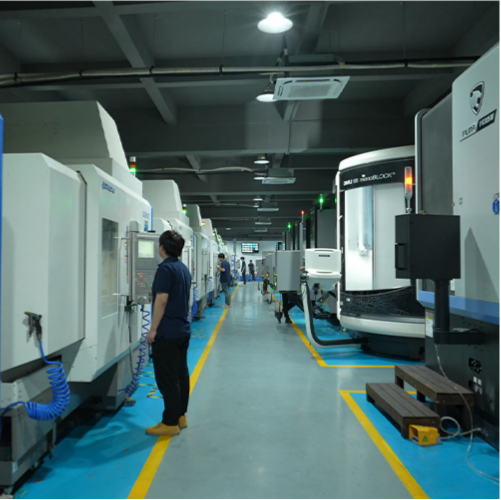
После завершения всех операций каждая партия проходит финальную инспекцию. Только после подтверждения размеров, внешнего вида, поверхностной обработки и маркировки по согласованному стандарту детали допускаются к упаковке и отгрузке.
Финальная инспекция не заменяет межоперационный контроль, а выступает последней линией защиты, чтобы исключить явные дефекты внешнего вида, пропущенные характеристики и несоответствие требованиям заказа. Для трансграничных поставок и проектов с длинным циклом это особенно важно.
Для высокоточных деталей мы используем CMM, высотомеры, приборы для внутренних и наружных диаметров и другие средства измерения. Для деталей с покрытием дополнительно проверяем равномерность цвета, полноту покрытия и поверхностные дефекты. При необходимости предоставляем краткий отчет по инспекции или фотофиксацию.
Если вы хотите, чтобы каждая партия сопровождалась размерным отчетом, сертификатом на материал или подтверждением покрытия, согласуйте это на стадии предложения и заказа. Мы включим эти документы в план качества и упаковочный лист.
7. Финальная инспекция и стандарт отгрузки
После завершения всех операций каждая партия проходит финальную инспекцию. Только после подтверждения размеров, внешнего вида, поверхностной обработки и маркировки по согласованному стандарту детали допускаются к упаковке и отгрузке.
Запросить отчет по инспекцииПосмотреть полный стандарт финального контроля ⌄
Финальная инспекция не заменяет межоперационный контроль, а выступает последней линией защиты, чтобы исключить явные дефекты внешнего вида, пропущенные характеристики и несоответствие требованиям заказа. Для трансграничных поставок и проектов с длинным циклом это особенно важно.
Для высокоточных деталей мы используем CMM, высотомеры, приборы для внутренних и наружных диаметров и другие средства измерения. Для деталей с покрытием дополнительно проверяем равномерность цвета, полноту покрытия и поверхностные дефекты. При необходимости предоставляем краткий отчет по инспекции или фотофиксацию.
Если вы хотите, чтобы каждая партия сопровождалась размерным отчетом, сертификатом на материал или подтверждением покрытия, согласуйте это на стадии предложения и заказа. Мы включим эти документы в план качества и упаковочный лист.
8. Прослеживаемость и работа с несоответствующей продукцией
Каждая партия деталей имеет уникальный комплект производственных и инспекционных записей. Если возникает отклонение, мы можем проследить его до партии материала, оборудования, оснастки и операционных записей, а затем выполнить анализ причины и CAPA.
Такая прослеживаемость помогает быстро локализовать корневую причину и предотвратить повторение аналогичной проблемы в следующих партиях или других проектах. Для долгосрочных клиентов это формирует прозрачную замкнутую систему обратной связи по качеству.
Если на участке сборки определенная партия показывает натяг, интерференцию или нестабильную посадку, мы можем поднять протоколы конкретной партии, посмотреть состояние оборудования, сменные записи и результаты измерений, а затем сверить все это с фактической повторной проверкой детали. Это помогает разделить риски по конструкции, допускам, материалу или обработке.
Если вашему проекту нужна прослеживаемость по партии, по коробке или поштучная маркировка, обозначьте это в начале проекта. Мы разработаем подходящую схему идентификации и записи с учетом сложности и стоимости.
8. Прослеживаемость и работа с несоответствующей продукцией
Каждая партия деталей имеет уникальный комплект производственных и инспекционных записей. Если возникает отклонение, мы можем проследить его до партии материала, оборудования, оснастки и операционных записей, а затем выполнить анализ причины и CAPA.
Запросить схему прослеживаемостиПосмотреть детали по CAPA и прослеживаемости партии ⌄
Такая прослеживаемость помогает быстро локализовать корневую причину и предотвратить повторение аналогичной проблемы в следующих партиях или других проектах. Для долгосрочных клиентов это формирует прозрачную замкнутую систему обратной связи по качеству.
Если на участке сборки определенная партия показывает натяг, интерференцию или нестабильную посадку, мы можем поднять протоколы конкретной партии, посмотреть состояние оборудования, сменные записи и результаты измерений, а затем сверить все это с фактической повторной проверкой детали. Это помогает разделить риски по конструкции, допускам, материалу или обработке.
Если вашему проекту нужна прослеживаемость по партии, по коробке или поштучная маркировка, обозначьте это в начале проекта. Мы разработаем подходящую схему идентификации и записи с учетом сложности и стоимости.
9. Стратегия качества для разных типов заказов
Мы не используем единый шаблон для всех заказов. План качества всегда зависит от типа проекта: опытный образец, малая партия для валидации или серийное снабжение. Это позволяет лучше сбалансировать стоимость, срок и риск.
На этапе образца мы сильнее фокусируемся на проверке производимости и функциональности. В малой серии главным становится стабилизация параметров процесса и сбор данных по качеству. В серийном производстве задача смещается к достижению высокой повторяемости и высокого прямого выхода при приемлемой стоимости, поэтому методы контроля и частота проверки отличаются.
Например, для первых 5–10 проверочных образцов мы можем предоставить более подробные размерные записи и обратную связь по проблемам. Для ежемесячных повторяющихся поставок мы усиливаем именно межоперационный контроль и выборку, чтобы удерживать эффективность и стабильность.
Если у вашего проекта уже есть поэтапный план, например прототип, валидация и массовое производство, укажите это в RFQ. Мы подберем отдельный способ контроля и формат обратной связи для каждой стадии.
9. Стратегия качества для разных типов заказов
Мы не используем единый шаблон для всех заказов. План качества всегда зависит от типа проекта: опытный образец, малая партия для валидации или серийное снабжение. Это позволяет лучше сбалансировать стоимость, срок и риск.
Сообщить этап проектаПосмотреть полный подход по этапам проекта ⌄
На этапе образца мы сильнее фокусируемся на проверке производимости и функциональности. В малой серии главным становится стабилизация параметров процесса и сбор данных по качеству. В серийном производстве задача смещается к достижению высокой повторяемости и высокого прямого выхода при приемлемой стоимости, поэтому методы контроля и частота проверки отличаются.
Например, для первых 5–10 проверочных образцов мы можем предоставить более подробные размерные записи и обратную связь по проблемам. Для ежемесячных повторяющихся поставок мы усиливаем именно межоперационный контроль и выборку, чтобы удерживать эффективность и стабильность.
Если у вашего проекта уже есть поэтапный план, например прототип, валидация и массовое производство, укажите это в RFQ. Мы подберем отдельный способ контроля и формат обратной связи для каждой стадии.
10. Участие клиента и механизм коммуникации по качеству
Мы рекомендуем согласовывать схему качества вместе с клиентом еще на ранней стадии проекта через онлайн-встречи, обсуждение чертежей, подтверждение образцов и разбор проблем, чтобы единое понимание стандарта качества появилось до запуска, а не после возникновения отклонений.
Для сложных или дорогих проектов намного полезнее заранее понять, как именно деталь работает в реальном оборудовании, какие отклонения приемлемы и какие характеристики наиболее критичны для функции. Такой обмен данными лучше, чем односторонняя передача чертежей, и помогает найти оптимальный баланс между проектированием, обработкой и сборкой.
Наиболее типичные сценарии — новый проект при первом сотрудничестве, модульный заказ с несколькими сборочными деталями, детали с повышенными требованиями к внешнему виду или проекты, которые должны сопровождаться аудитом третьей стороны. В таких случаях стартовая встреча и промежуточный разбор проекта приносят реальную пользу.
Если у вас уже есть текущий или планируемый критический проект, отметьте при загрузке чертежей, что нужна коммуникация по качеству. Мы подключим инженера и вместе с вами разложим по приоритету ключевые точки контроля и основные риски проекта.
10. Участие клиента и механизм коммуникации по качеству
Мы рекомендуем согласовывать схему качества вместе с клиентом еще на ранней стадии проекта через онлайн-встречи, обсуждение чертежей, подтверждение образцов и разбор проблем, чтобы единое понимание стандарта качества появилось до запуска, а не после возникновения отклонений.
Запросить обсуждение качестваПосмотреть полный порядок согласования по качеству ⌄
Для сложных или дорогих проектов намного полезнее заранее понять, как именно деталь работает в реальном оборудовании, какие отклонения приемлемы и какие характеристики наиболее критичны для функции. Такой обмен данными лучше, чем односторонняя передача чертежей, и помогает найти оптимальный баланс между проектированием, обработкой и сборкой.
Наиболее типичные сценарии — новый проект при первом сотрудничестве, модульный заказ с несколькими сборочными деталями, детали с повышенными требованиями к внешнему виду или проекты, которые должны сопровождаться аудитом третьей стороны. В таких случаях стартовая встреча и промежуточный разбор проекта приносят реальную пользу.
Если у вас уже есть текущий или планируемый критический проект, отметьте при загрузке чертежей, что нужна коммуникация по качеству. Мы подключим инженера и вместе с вами разложим по приоритету ключевые точки контроля и основные риски проекта.
11. Как быстрее зафиксировать схему качества на этапе RFQ
Чем четче требования к качеству сформулированы на этапе RFQ, тем быстрее вы получаете точное коммерческое предложение и выполнимую схему контроля качества.
RFQ без ключевых данных вызывает повторные уточнения и многократную переоценку. Это не только замедляет ответ, но и повышает риск разного понимания ожидаемого качества. Полный RFQ позволяет инженерной и инспекционной команде за один цикл оценить материалы, процесс, метод контроля и срок.
Мы рекомендуем включать в RFQ как минимум файлы чертежей в формате STEP, STP, IGS, X_T или PDF, требования к материалу и термообработке, требования к покрытию, количество и план партий, критические размеры и допуски, необходимость отчетов или сертификатов на материал, а также специальные требования к прослеживаемости и упаковке.
Если вы пока не уверены, какие именно пункты качества нужно включить в RFQ, отправьте текущие чертежи и черновой список требований. Мы поможем собрать краткий чек-лист качества именно под ваш проект.
11. Как быстрее зафиксировать схему качества на этапе RFQ
Чем четче требования к качеству сформулированы на этапе RFQ, тем быстрее вы получаете точное коммерческое предложение и выполнимую схему контроля качества.
Загрузить RFQ с требованиями к качествуПосмотреть полный список данных для RFQ ⌄
RFQ без ключевых данных вызывает повторные уточнения и многократную переоценку. Это не только замедляет ответ, но и повышает риск разного понимания ожидаемого качества. Полный RFQ позволяет инженерной и инспекционной команде за один цикл оценить материалы, процесс, метод контроля и срок.
Мы рекомендуем включать в RFQ как минимум файлы чертежей в формате STEP, STP, IGS, X_T или PDF, требования к материалу и термообработке, требования к покрытию, количество и план партий, критические размеры и допуски, необходимость отчетов или сертификатов на материал, а также специальные требования к прослеживаемости и упаковке.
Если вы пока не уверены, какие именно пункты качества нужно включить в RFQ, отправьте текущие чертежи и черновой список требований. Мы поможем собрать краткий чек-лист качества именно под ваш проект.
12. Качество начинается с первого чертежа
Высокое качество механических деталей оборудования не выбирают на финальной проверке. Его закладывают с первого чертежа, через материал, технологию и управление процессом.
Когда условия применения, ключевые размеры, свойства материала и ритм поставки объединяются в одну логику контроля качества, проект получает не случайно удачный образец, а стабильно собираемые, прослеживаемые и воспроизводимые детали.
Если ваш проект связан с кронштейнами, корпусами, фланцами, валами, соединительными элементами, направляющими или сложными сборочными конструкциями, мы можем построить маршрут контроля качества на базе уже накопленного производственного опыта.
Если вы хотите сузить риски качества уже на ранней стадии, самый прямой шаг — одновременно загрузить чертежи и требования к качеству при запросе цены. В течение 24 часов мы предложим схему контроля, объем инспекции и ориентировочный ритм поставки под ваш проект.
Поддержка 5-осевой обработки для более сложных деталей
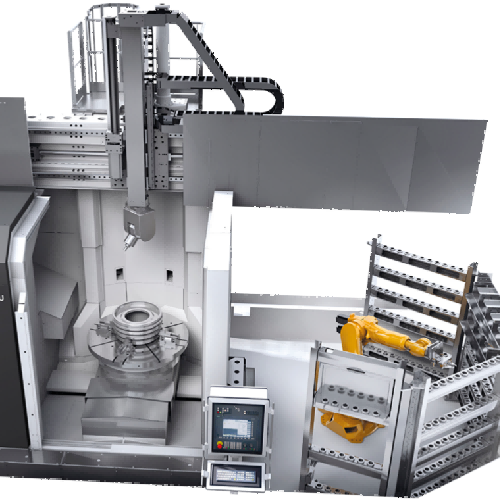
5-осевая обработка обычно применяется для более сложных конструкций, задач с повышенной гибкостью базирования и проектов, где требуется многосторонняя обработка с более высокими требованиями к геометрии. Фотографии на странице должны усиливать именно это ключевое представление, а не просто показывать обычный цех.