-1-1-2-126x39.png)
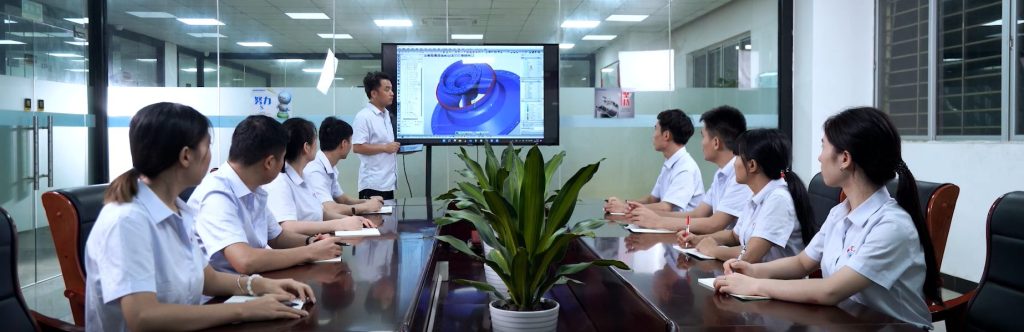
Трехосевая CNC-обработка и универсальные пятиосевые детали для машин и оборудования — серийные поставки по всему миру
Для проектов со структурными деталями и серийными компонентами трехосевая обработка часто является оптимальным выбором по стоимости и срокам, а не компромиссным вариантом.
Мы долгое время специализируемся на серийной трехосевой CNC-обработке деталей из алюминиевых сплавов, нержавеющей стали, углеродистой стали и распространенных инженерных пластиков и дополняем ее универсальными пятиосевыми возможностями для локально сложных поверхностей и многогранных конструкций.
Такой подход позволяет уменьшить количество установок и накопленную погрешность и сформировать воспроизводимую производственную схему, в которой можно проверить и масштабировать баланс между себестоимостью, сроками поставки и размерной стабильностью.
Страница ориентирована на средние и крупные партии (10–10 000 шт.) стандартных и структурных деталей, которые важно стабильно получать по согласованной схеме.
Какие детали лучше всего подходят для трехосевой обработки
Для большинства плоских деталей, деталей с пазами, ступенчатых валов и стандартных монтажных плит трехосевая обработка обычно является более экономичным, стабильным и управляемым по рискам выбором.
Ключевые элементы таких деталей — это в основном двумерный контур, система отверстий и локальные ступени. При грамотном подборе оснастки большую часть необходимых поверхностей можно обработать за одну или небольшое количество установок, без необходимости оплачивать дорогостоящие пятиосевые возможности.
На практике такие детали широко встречаются в несерийном автоматизированном оборудовании, опорных плитах оснастки, соединительных элементах рам, простых корпусах, монтажных плитах и транспортных поддонах. Их характерные признаки — средний размер, заметные партии, высокая частота инженерных изменений и чувствительность к себестоимости, срокам и скорости реакции на обновление чертежей.
Для подобных проектов слишком ранний переход на пятиосевую обработку приводит к росту затрат на программирование и наладку и делает маршрут обработки излишне сложным в серийной фазе, повышая стоимость единицы продукции и зависимость от настройки станка.
Если ваши детали в основном состоят из плоских элементов, регулярной системы отверстий и не имеют больших участков свободных поверхностей или сложных наклонных отверстий, мы в первую очередь оцениваем их с точки зрения трехосевой обработки. Наша задача — разбить сложную задачу на стандартные и контролируемые пути обработки при сохранении необходимых допусков.
Посмотреть детали, лучше всего подходящие для трехосевой обработки ⌄
Ключевые элементы таких деталей — это двумерный контур, система отверстий и локальные ступени, которые можно обработать за одну или несколько установок без использования сложной пятиосевой кинематики.
Они широко используются в несерийном автоматизированном оборудовании, плитах оснастки, соединительных элементах рам, простых корпусах, монтажных плитах и транспортных поддонах, где важны себестоимость, сроки и скорость реакции на изменения.
Для подобных проектов преждевременный переход на пятиосевую обработку увеличивает затраты и усложняет серию. Поэтому при отсутствии сложных поверхностей и наклонных отверстий мы в первую очередь предлагаем безопасный и воспроизводимый трехосевой маршрут, а уже затем при необходимости подключаем универсальный пятиосевой ресурс.
Преимущества трехосевой обработки по себестоимости и срокам
При соблюдении точности, допусков и требований к поверхности грамотное использование трехосевого парка позволяет снизить затраты на оборудование, инструмент и наладку и сделать цену за единицу продукции конкурентоспособной в средних и больших сериях.
По сравнению с продвинутыми пятиосевыми схемами трехосевые станки имеют естественные преимущества в универсальности оснастки, стратегии складирования инструмента и повторном использовании программ. Это упрощает создание стандартных технологических пакетов и долгосрочных повторяющихся заказов для стандартных деталей.
С точки зрения планирования мощностей трехосевое оборудование проще в расписании и параллельной работе. При одинаковом технологическом маршруте на нескольких станках можно масштабировать выпуск без ухудшения выхода годной продукции, что важно для заказов с чувствительностью к срокам, но умеренной сложностью.
Если ваш проект ориентирован на стабильные серийные поставки и вы хотите оптимизировать стоимость и сроки без потери точности, имеет смысл указать в чертежах ожидаемые партии, годовой объем и ключевые допуски. На основе этих данных мы предложим маршрут с приоритетом трехосевой обработки и четко покажем, в каких зонах целесообразно подключить универсальную пятиосевую способность.
Посмотреть, как трехосевая обработка снижает стоимость и ускоряет поставки ⌄
Трехосевые станки проще по оснастке, программе и повторному использованию процесса, что снижает совокупную стоимость оборудования, инструмента и наладки в серийном производстве.
Их легче включать в планирование мощностей и параллельную работу нескольких станков, что повышает месячный выпуск без ухудшения выхода годной продукции.
При указании ожидаемых партий, годового объема и ключевых допусков мы можем предложить маршрут с приоритетом трехосевой обработки и отдельно обозначить зоны, где имеет смысл подключать универсальную пятиосевую обработку.
Когда стоит перейти от трехосевой схемы к универсальной пятиосевой
При выраженной многогранной обработке, глубоких карманах, локально сложных поверхностях или высокой чувствительности к числу установок только трехосевая схема быстро упирается в ограничения по накопленной погрешности и стабильности.
В таких случаях мы рекомендуем использовать универсальную пятиосевую обработку, чтобы за одну установку обработать больше рабочих поверхностей, уменьшить число источников погрешности и снизить зависимость от ручных настроек. Это делает контроль и трассировку баз и ключевых размеров более прозрачными.
Универсальная пятиосевая обработка особенно эффективна для локально сложных поверхностей, наклонных отверстий, многогранных опор и деталей с жесткими требованиями к взаимному расположению, например, угловых элементов рам с многогранными монтажными отверстиями, корпусов с наклонными направляющими поверхностями или локальными направляющими криволинейными участками.
Для полностью свободных поверхностей, авиационных лопаток, сложных дисков и деталей с экстремальными требованиями к контуру и шероховатости уже требуется высокотехнологичная пятиосевая обработка с отдельным инженерным сопровождением, что мы также можем предложить в формате специализированного проекта.
При загрузке 3D‑модели имеет смысл сразу отметить ключевые размерные цепи, базы сборки и наиболее чувствительные к взаимному расположению зоны. На этапе технологического анализа мы покажем, какие элементы можно безопасно обрабатывать на трехосевом станке, а какие лучше доверить пятиосевой обработке за одну установку, с наглядным сравнением по стоимости и рискам.
Когда трехосевой обработки уже недостаточно и нужен пятиосевой маршрут ⌄
Яркие признаки перехода на пятиосевую обработку — многогранная обработка, глубокие карманы, локально сложные поверхности и высокая чувствительность к числу установок.
В этих случаях универсальная пятиосевая обработка снижает количество установок, уменьшает накопленную погрешность и делает базирование и контроль более понятными и повторяемыми.
При передаче 3D‑модели и указании ключевых цепей размеров и баз сборки мы покажем, какие зоны целесообразно оставить на трехосевом маршруте, а какие — перевести на пятиосевой, с учетом стоимости и рисков.
Типичные области применения трехосевой и универсальной пятиосевой обработки
Для конструкций автоматизированного оборудования, элементов рам, опорных плит, поддонов и монтажных плит трехосевая обработка в большинстве случаев полностью закрывает требования по точности, перпендикулярности и плоскостности.
На базе стандартных оснасток и оптимизированных траекторий можно сокращать машинное время без потери качества ключевых размеров, что дает комплексное преимущество при высоких годовых объемах, регулярных закупках и повторяющихся заказах.
Детали с многогранной сборкой, наклонными отверстиями и локально сложными поверхностями лучше отнести к зоне универсальной пятиосевой обработки, чтобы контролировать взаимную точность без избыточного числа установок. Типичные примеры — многогранные монтажные основания, корпуса с сложной внутренней геометрией и локальные криволинейные направляющие элементы.
Для подобных проектов важны не только отдельные размеры, но и накопленная погрешность, повторяемость сборки и межпартийная стабильность. Поэтому технологический маршрут лучше планировать сразу с учетом комбинации трехосевых и пятиосевых операций, а не только на основе стоимости единицы продукции.
При загрузке чертежей вы можете кратко описать механизм, в котором работает деталь, основные элементы сборки и наиболее чувствительные к точности стороны. Мы предложим маршрут с приоритетом по безопасности или по стоимости и обозначим риски в случае использования только трехосевой схемы.
Посмотреть типичные области применения трехосевой и пятиосевой обработки ⌄
Трехосевая обработка обычно покрывает требования для конструкций автоматизированного оборудования, рам, опорных плит и монтажных плит, где важны стабильный процесс и оптимальное время обработки.
Детали с многогранной сборкой, наклонными отверстиями и локально сложными поверхностями лучше переводить в зону универсальной пятиосевой обработки, чтобы контролировать взаимную точность с меньшим числом установок.
При передаче чертежей достаточно кратко описать механизм, в котором работает деталь, и наиболее чувствительные к точности стороны — на основе этого мы предложим маршрут и покажем, где трехосевая схема безопасна, а где пятиосевая дает меньший риск.
Кратко о возможностях высокоуровневой пятиосевой обработки
Для наиболее сложных деталей с авиационными криволинейными поверхностями, прецизионных лопаток, свободных форм пресс‑форм и деталей с экстремальными требованиями к контуру и шероховатости мы можем применять высокоуровневую пятиосевую обработку как отдельный инженерный проект.
В таких задачах мы используем высокоточные пятиосевые станки, специализированные стратегии обработки и продвинутый контроль, чтобы одновременно управлять контурной погрешностью, шероховатостью и формо‑расположением.
Как правило, эти проекты требуют отдельного планирования по валидации технологии, пробным деталям и расширенной программе контроля, и не смешиваются в один поток с обычными серийными трехосевыми деталями.
В повседневной работе мы сознательно концентрируем ресурсы высокоуровневой пятиосевой обработки на действительно сложных и высокоценовых проектах, а стандартные и структурные детали выводим в трехосевой и универсальный пятиосевой контур. Это позволяет сформировать для заказчика комбинацию: сложные детали — под контролем по точности, серийные детали — под контролем по стоимости.
Если у вас есть детали со свободными поверхностями, авиационными контурами или особыми требованиями к шероховатости и остаточным напряжениям, укажите в RFQ пометку «оценка высокоуровневой пятиосевой обработки». Мы организуем отдельную инженерную оценку и предложим поэтапный путь валидации и масштабирования.
Посмотреть, когда требуется высокоуровневая пятиосевая обработка ⌄
Типичные кандидаты на высокоуровневую пятиосевую обработку — детали со свободными поверхностями, авиационные криволинейные контуры, сложные пресс‑формы и узлы с особыми требованиями к шероховатости и остаточным напряжениям.
Такие проекты ведутся как отдельные инженерные задачи с собственной программой валидации технологии, пробными деталями и расширенным контролем, не смешиваясь с потоком стандартных трехосевых деталей.
При пометке «оценка высокоуровневой пятиосевой обработки» мы организуем отдельную оценку, предложим поэтапный план проверки и масштабирования и объясним, как сочетается такая обработка с общей стратегией закупок.
Оборудование и контроль качества — не только обработка, но и измеримый результат
Для серийных структурных деталей и стандартных компонентов воспроизводимость определяется не только возможностями отдельного станка, а устойчивостью всей технологической цепочки.
Мы используем стабильные трехосевые центры Okuma и Mazak и универсальные пятиосевые мощности с точностью до 0,001–0,005 мм, а также CMM‑измерение, чтобы создать запас по точности для долгосрочных серийных поставок.
В системе ISO 9001 мы формируем технологические карты и списки ключевых размеров для каждого проекта. На стадии первых деталей акцент на подтверждении функциональных цепей размеров и баз сборки; в серии — на контроле вариаций между партиями.
Комбинация CMM, высотомеров, калибров и других средств позволяет по запросу выдавать отчеты по первым деталям, протоколы выборочного контроля или полные измерения, что помогает вашим командам по входному контролю и сборке.
Типичные показатели: размерная точность на уровне IT6–IT7, шероховатость Ra 0,8–3,2 мкм, парк из нескольких трехосевых центров и универсальных пятиосевых мощностей, а также комплекс контроля с применением трехкоординатных машин и измерительных инструментов.
Посмотреть, как оборудование и контроль качества поддерживают серию ⌄
Мы опираемся на стабильные трехосевые центры Okuma и Mazak и универсальные пятиосевые мощности с точностью до 0,001–0,005 мм и CMM‑контролем, чтобы обеспечить запас по точности для долгосрочных серийных поставок.
В соответствии с ISO 9001 завод ведет технологические карты и списки ключевых размеров, контролируя функциональные цепи размеров и вариации между партиями.
Типичные показатели — IT6–IT7 и Ra 0,8–3,2 мкм. При необходимости мы предоставляем отчеты по первым деталям, выборочному или полному контролю, чтобы облегчить входной контроль и сборку на стороне заказчика.
Как подготовить RFQ и получить обоснованное предложение по трехосевой и пятиосевой обработке
При отправке RFQ вам не нужно заранее окончательно решать, использовать трехосевую или пятиосевую обработку. На выбор маршрута влияют функция детали, цепи размеров, отношения в сборке, целевые партии и приоритеты по стоимости, срокам и рискам.
Наши инженеры оценивают трехосевые, универсальные пятиосевые и, при необходимости, высокоуровневые пятиосевые маршруты с учетом реальных возможностей оборудования, стратегии программирования, оснастки и измерений и объясняют различия по стоимости, срокам и рискам, а не просто предлагают максимальную конфигурацию.
- 3D‑модель и 2D‑чертежи с обозначением ключевых размеров, допусков и требований к поверхности.
- Ожидаемые партии, годовой диапазон потребности и целевые сроки поставки.
- Ключевые отношения в сборке и наиболее чувствительные к точности поверхности и размеры.
- Требуемые материалы, стандарты компании и особенности контроля (например, отчеты CMM, объем выборочного или полного контроля).
Для стандартных структурных деталей мы обычно даем обратную связь по технологичности и предложению в течение 24 часов. Для сложных многогранных деталей с необходимостью пятиосевой оценки — в течение 48 часов с уточнением ключевых предположений, чтобы цена и сроки были ближе к реальности.
Реальные визиты, реальные переговоры, реальное сотрудничество
В промышленном сотрудничестве доверие часто формируется не одним обещанием, а реальными визитами, очными обсуждениями и прямым пониманием производственной среды.
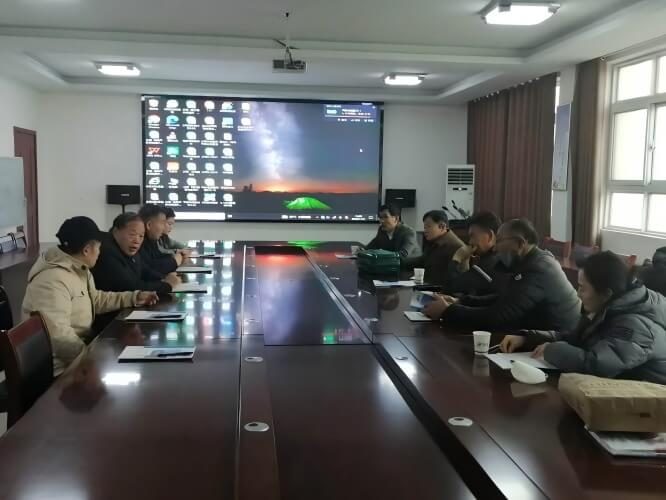
Визит клиента и обсуждение проекта
Такие встречи помогают клиентам увидеть, что мы не только производим детали, но и уделяем внимание реальной коммуникации и координации проекта.
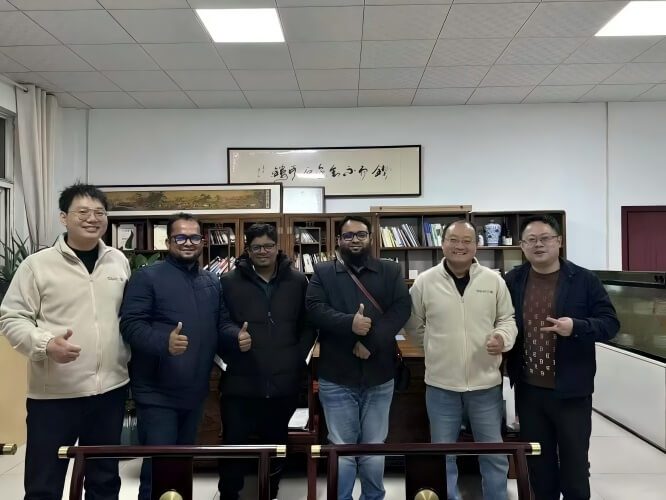
Прием на заводе и посещение производства
Реальные сцены приема и посещения завода усиливают прозрачность сотрудничества и формируют доверие, которое можно подтвердить на месте.